● Health & Wellness
Before Superfoods, There Was the Indian Kitchen
Many of the nutrition trends celebrated today, from gut health and fermentation to mindful eating, have long been part of traditional Indian food wisdom, writes Meenakshi Bajaj.
As a dietician, I find it fascinating that many of the nutritional principles being celebrated today as cutting-edge discoveries were quietly practised in Indian homes for generations.

Everywhere I look, I see conversations about gut health, probiotics, intermittent fasting, anti-inflammatory foods, and superfoods. While scientific research has certainly helped us understand these concepts better, I often feel that we are rediscovering ideas that our traditional food systems have already incorporated into daily life.
Today, people aged 16 to 75 years are increasingly concerned about their health. This growing awareness is encouraging, but it is also accompanied by a flood of information, much of it coming from unqualified sources. Social media has made nutrition advice accessible, but it has also made it confusing. Every week, a new food is declared a miracle ingredient, while another is labelled unhealthy.
One of the biggest misconceptions I encounter is the belief that good nutrition begins and ends with protein.
Protein is undoubtedly important, but traditional Indian diets were never designed around a single nutrient. They were balanced systems that included whole grains, pulses, vegetables, fruits, spices, dairy, and healthy fats. They provided complex carbohydrates, fibre, vitamins, minerals, and protein in combinations that supported overall health. However, high-protein diets are recommended in specific situations and conditions.
Unfortunately, over the past few decades, many of these dietary patterns have been replaced by refined foods, fast food, sugary beverages, and ultra-processed snacks. Alongside these changes, we have witnessed a dramatic rise in obesity, diabetes, fatty liver disease, hypertension, and other metabolic disorders.
As health challenges increase, many people are beginning to look back at traditional foods with renewed interest. One of the most visible examples is the resurgence of millets.
When I was younger, millets such as ragi, bajra, and foxtail millet were often viewed as ordinary staples. Today, they are marketed as superfoods. While I am pleased to see greater appreciation for these grains, I believe it is important to understand them in context.
Millets are nutritious, climate-friendly, and can be useful not only in diabetes management when consumed appropriately but also from paediatrics to geriatrics. They are rich in fibre and offer several health benefits. At the same time, not every millet is suitable for every individual. Age, health status, and medical conditions all influence what works best. Nutrition is never one-size-fits-all.
What I find particularly interesting is that our traditional food systems rarely focused on ingredients alone. Equal importance was given to preparation methods.
Many grains, legumes, and nuts naturally contain anti-nutritional factors called phytates, which can interfere with the absorption of minerals. Long before we understood the science behind it, Indian households routinely soaked, sprouted, roasted, and fermented foods. These practices helped improve digestibility and nutrient availability.
When grains are sprouted or fermented, the phytates are reduced. The bioavailability of minerals such as iron, zinc, and calcium improves. What we now describe using scientific terminology was once simply part of everyday cooking.
This brings me to one of the most exciting areas of modern nutrition research: gut health.
Today, the gut microbiome is often referred to as a second brain because of its influence on immunity, metabolism, inflammaging, and even mental well-being. Researchers continue to uncover links between gut health and conditions ranging from irritable bowel syndrome and obesity to arthritis and kidney disease.
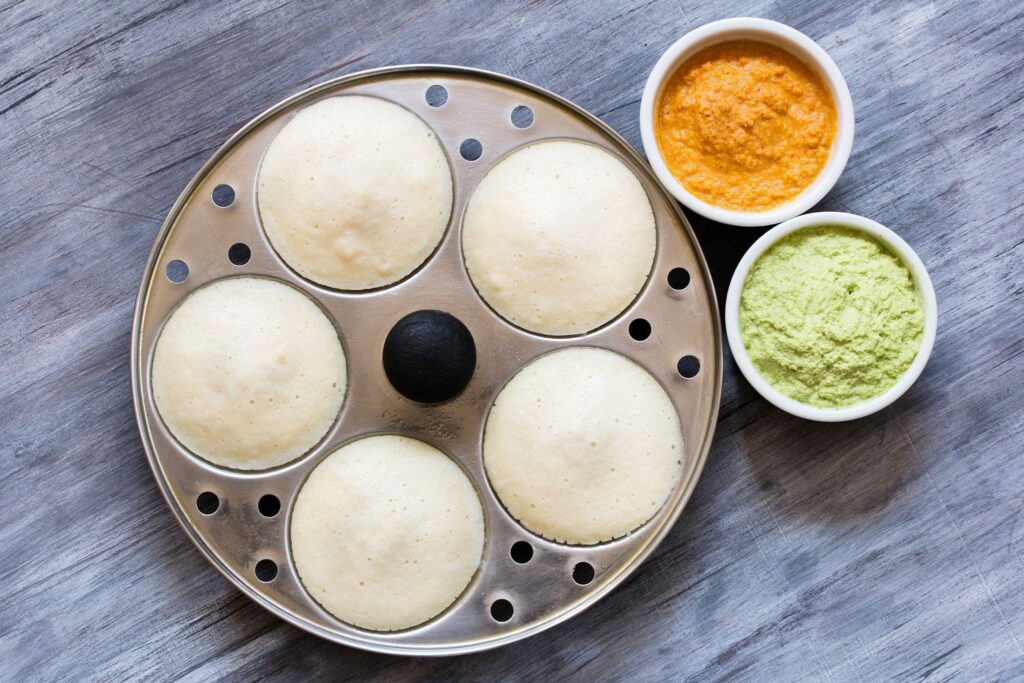
For me, this growing body of research reinforces the value of many traditional Indian foods. Fermented preparations such as curd, idli batter, dosa batter, and pickles have long been a part of our diets. We did not consume them because they were fashionable; we consumed them because they were integrated into our food culture.
Traditional meal combinations also reflected a remarkable understanding of balance. Foods were often paired in ways that enhanced both nutrition and digestion. Sprouted and fermented ragi with buttermilk, legumes with grains, greens with pulses — these combinations created meals that nourished the body while supporting gut health.
Another aspect of traditional eating that deserves greater attention is meal timing.
Modern lifestyles have altered not only what we eat but also when we eat. Many people now consume late dinners, snack continuously throughout the day, and maintain irregular sleep schedules.
Traditionally, however, many Indians finished their evening meal early. Current research in circadian rhythm and chrono-nutrition suggests that meal timing can significantly affect metabolic health, insulin sensitivity, and weight regulation.
When eating patterns become disconnected from natural biological rhythms, metabolic health often suffers. Increasingly, science is validating what many traditional lifestyles practised intuitively.
The same pattern can be seen in the changing perception of ghee.
For years, ghee was unfairly blamed for numerous health problems. Today, some wellness circles have elevated it almost to miracle-food status. I believe both positions are extremes.
Ghee can be part of a healthy diet when consumed in moderation and by adjusting the consumption of other sources of saturated fats. It offers benefits for gut health and neuro-nutrition, but quantity remains important. As with most foods, balance is the key.
This is perhaps the greatest lesson traditional Indian diets can teach us.
They were not built around elimination, restriction, or obsession and not driven by trends. Instead, they evolved over centuries through observation, adaptation, and lived experience. They reflected local climates, seasonal availability, cultural practices, and practical wisdom.
Seasonality, in particular, was deeply woven into traditional eating patterns. Certain foods naturally appeared in summer; others in winter. Meals adapted to environmental conditions. This seasonal intelligence helped create dietary diversity while aligning food choices with local ecosystems.
As a nutrition professional, I do not believe we should reject modern science in favour of tradition. On the contrary, scientific research has given us valuable insights into health and disease. However, I do believe we should recognise that traditional food systems often contained wisdom that science is only now beginning to explain.
The goal is not to romanticise the past but to learn from it. In an era dominated by wellness marketing, food trends, and information overload, perhaps the most powerful nutrition advice remains surprisingly simple: eat balanced meals, choose seasonal foods, respect traditional preparation methods, and remember that no single food holds the secret to health.
Long before the world discovered superfoods, Indian kitchens were quietly practising many of these principles every day.
Meenakshi Bajaj is a registered Dietitian, author, reviewer, and columnist with over three decades of experience in nutrition and dietetics. She is associated with the Tamil Nadu Government Multi Super Specialty Hospital, Chennai, and writes extensively on food, health, and wellness.