What If the Best Way to Experience Bengaluru Is on Foot?
Aditya Mendonca started commuting on foot in Bengaluru and discovered that the debate around affordable activities in Indian cities misses a bigger question. How much of our city do we actually experience?
Over the past few months, I’ve made a conscious decision to walk whenever I can. I walk to the gym. I walk to the pool. I walk to the office. Sometimes I walk home after work. When the distance is longer, I take the Metro or a bus. I still drive when I need to, but I’ve realised that not every journey requires a car. Not just about tracking the steps on my watch or watching my Strava.
Walking has changed my relationship with Bengaluru.
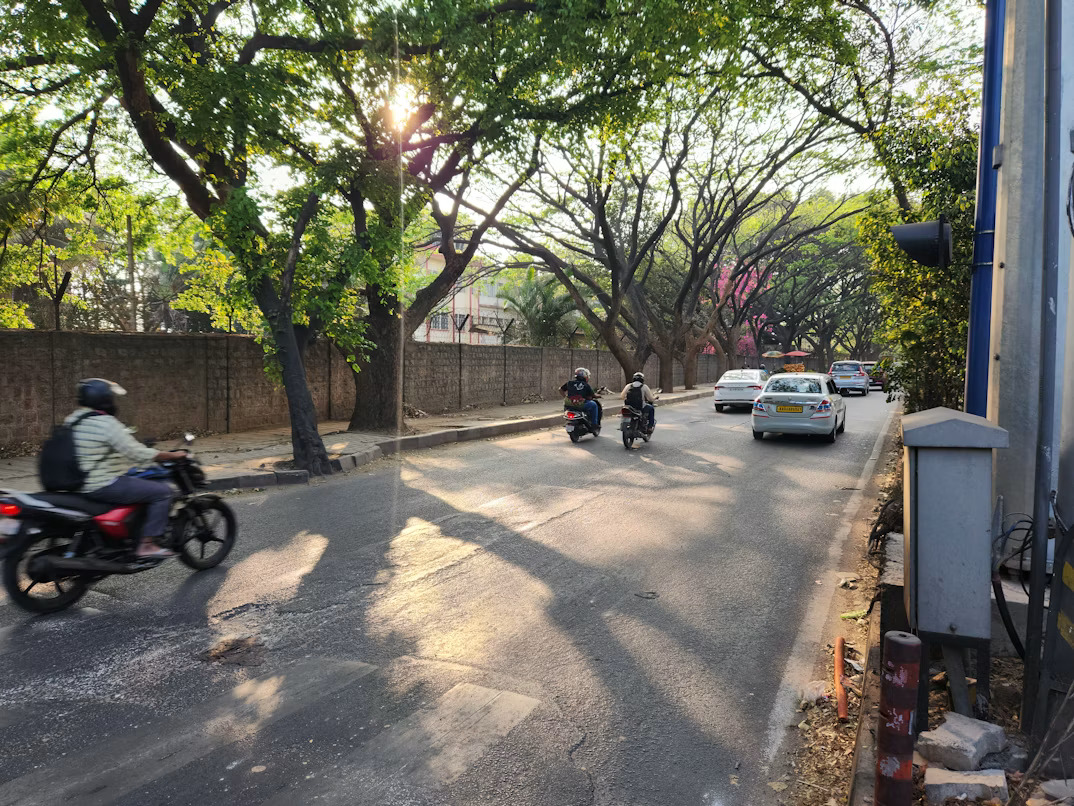
You notice the old rain trees that have somehow survived another year. You discover cafés tucked into quiet streets, neighbourhood parks filled with retirees at sunrise, children playing cricket in empty lots, and roadside vendors who’ve been serving the same breakfast for decades. The city slows down enough for you to see it.
Ironically, the biggest thing stopping me from walking more isn’t the distance.
It’s the air. As Bengaluru’s traffic worsens, I’ve started wearing a mask on many walks—not because I’m worried about the exercise, but because of the dust and pollution. Construction sites, broken footpaths, vehicles idling in traffic and poor air quality make something as simple as walking feel like an act of determination.
That’s a problem. We often talk about making cities more liveable by building more flyovers or adding another lane to a congested road. But what if the measure of a successful city wasn’t how quickly cars moved, but how comfortably people could walk?
Affordable urban life isn’t just about finding free things to do. It’s about creating cities where movement itself becomes part of the experience.
Bengaluru already has so much to offer. Cubbon Park at sunrise. Lalbagh on a misty morning. Ulsoor Lake newly rejuvenated, Sankey Tank and the streets of Sadashivanagar and Malleshwaram. If you are in Jakkur – GKVK’s tree-lined roads, Jayanagar, Basavangudi, South Bangalore’s tree-filled streets. Neighbourhood parks where communities gather every evening. Museums, libraries, theatre, cycling groups, running clubs, public lectures, heritage walks and open water swims. Many of these cost little or nothing at all.
The challenge isn’t always a lack of activities. It’s whether we can reach them easily and enjoy the journey.
Imagine if every neighbourhood had continuous footpaths, shaded streets, safe pedestrian crossings, protected cycling lanes, cleaner air and reliable public transport. Suddenly, the city becomes bigger—not because we’ve built more, but because more of it becomes accessible without needing to own a car.
Walking also changes something less tangible. You start recognising faces. The security guard who greets you every morning. The florist is setting up outside the temple. The coffee shop owner who remembers your order. The shops you grew up visiting in your neighbourhood before quick commerce took over our lives. These are the tiny interactions that turn a city into a community. Perhaps that’s the conversation we should be having.
Instead of asking whether Indian cities have enough affordable activities, we should ask whether we’ve made it easy for people to access the ones that already exist.
For me, the answer begins with a simple choice. Whenever I can, I walk. Not because it’s faster. Rarely because it’s easier. But because it’s the best way I’ve found to experience the city I call home.
And if there’s one thing I’d ask of Bengaluru, it’s this: give us cleaner air, better footpaths and safer streets. We’ll do the walking.
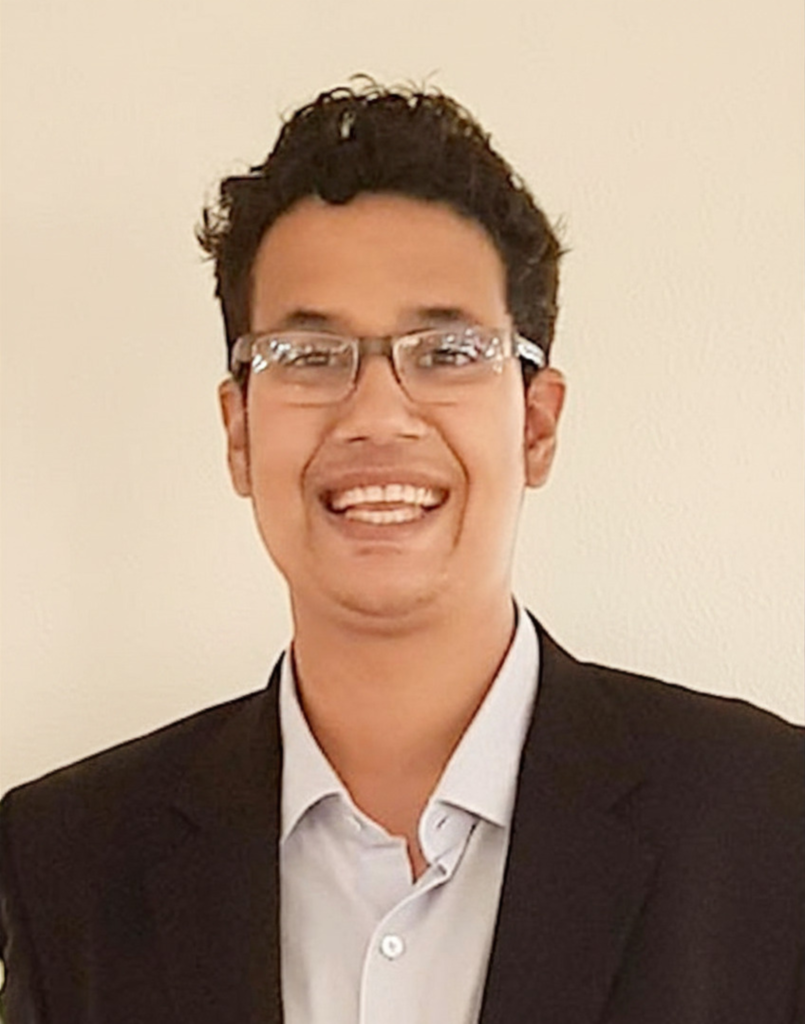
Aditya Mendonca is Executive Editor of The Good City.