
The Life Between the Swipes
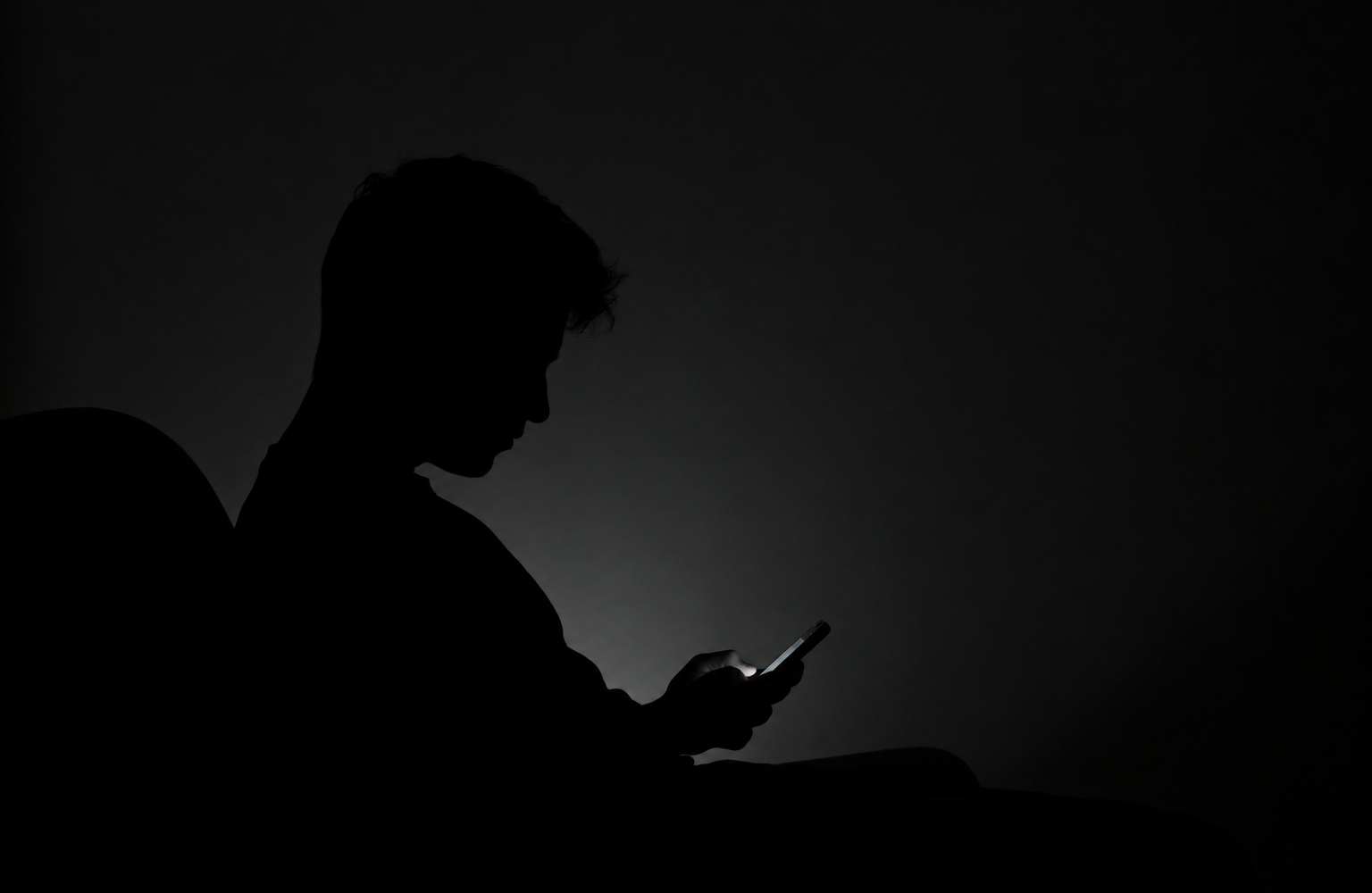
Our phones have made it easier than ever to be everywhere except where we actually are. It may be time to look up, writes Aditya Mendonca.
I picked up my phone the other night to check the time. I put it down forty minutes later, no wiser about the time, but somehow aware of three natural disasters, a stranger’s kitchen renovation and an argument I had no part in and no interest in.
I hadn’t decided to do any of that. It just happened. That, I think, is the strange part about scrolling. We rarely sit down and choose it the way we choose to read a book or watch a film. It arrives in the gaps. While waiting for the kettle. While waiting for a reply. And somewhere in those gaps, ten minutes becomes forty, and forty becomes an hour we cannot really account for.
I don’t think most of us are addicted to our phones so much as we are addicted to not being alone with our own thoughts, even for a few seconds.The scroll that never ends
There’s a name for the particular flavour of scrolling that leaves you feeling worse than when you started: doom scrolling. Moving from one bad headline to the next, one troubling video to another, long after curiosity has worn off and something closer to dread has taken over.
What makes it so effective is that it doesn’t feel like a decision. It feels like momentum. Each swipe promises the next thing might resolve the unease the last one created. It rarely does.
I’ve noticed I don’t doomscroll when I’m in a good mood looking for entertainment. I doom scroll when I’m tired, unsettled or avoiding something else I should be doing. The phone isn’t the problem in those moments. It’s just the nearest exit.
There is a kind of exhaustion that comes not from doing too much, but from taking in too much. Our attention was never built for a constant stream of global crises, strangers’ opinions and algorithmically selected outrage, one after another, without pause.
Not so long ago, the news arrived once or twice a day and then it stopped. Today there is always more. It isn’t that we shouldn’t stay informed. It’s that endless consumption isn’t the same as being informed. Past a point, we’re just absorbing the same anxiety in a different outfit.
Presence has become optional. We used to have to make an effort to be somewhere else. Now we can leave the room without leaving our chair. I’ve sat at dinner tables where every person has, at some point, quietly drifted into their phone mid-conversation. Nobody means any harm by it. It’s simply become normal to be partially present, half listening, one eye on a screen that might have something more interesting to offer. I include myself in this.
What troubles me isn’t the technology itself. It’s how easily presence has become optional, and how rarely we notice when we’ve opted out. None of this happens by accident. The apps we use are built, quite deliberately, to keep us scrolling. Every design choice, from colours to sounds to how content refreshes, is aimed at holding our attention a little longer than we intended.
Knowing this doesn’t fix it. I know exactly what’s happening when I open an app “just to check something” and resurface twenty minutes later, and it still happens. Willpower rarely wins against a system engineered to outlast it. The fix isn’t more self-discipline. It’s to have boundaries.
The other side of the screen
There’s a part of this I understand a little differently, because I sit on both sides of it. I also create content, and that changes how I see the scroll, because I know exactly what it takes to stop one.
When I script a video, the first line isn’t about the topic. It’s about survival: “I used to think this too, until…”, “Nobody tells you this about…”, or starting mid-sentence, as if you’ve walked in on a conversation already happening. It’s built to do one job: buy the next two seconds before the thumb moves. A carousel’s first slide is one sentence and a promise, something that makes closing it feel like it costs you something. “Save this before you lose it” works because it borrows a bit of loss aversion, not because it’s clever writing.
Once you’ve written enough of those, you can’t unsee them when you’re the one scrolling. I’ll catch myself stopping on a video purely because of a jump cut, or a caption that says “wait for it,” and I know exactly which lever just got pulled. Knowing the trick doesn’t make it less effective. If anything it’s stranger, because I understand precisely why I stopped, and I stop anyway.
Platforms aren’t neutral about it either. A video that holds someone the full length gets pushed to more people than one that doesn’t, so completion rate quietly becomes what every creator optimises for. That’s part of why short-form content front-loads a twist and saves the payoff for the last three seconds.
There are two people at that table. One is trying to build a life with a bit more presence in it. The other is trying to make something someone can’t scroll past. Most days, I am both, sometimes within the same hour. Neither side set out to build this. It assembled itself, one hook and one swipe at a time. Understanding that hasn’t made me quit making content or made me immune to scrolling. But it’s made me more honest about which hat I’m wearing, and more deliberate about not letting the creator in me quietly take over the person in me.
I haven’t solved this, but a few small shifts have made a real difference, none of them requiring me to disappear off the grid:
- Turning off the endless app notifications. Most of what pings you isn’t urgent, it’s just designed to feel that way.
- Sticking to calls and messages for the people who matter, rather than living inside every app’s inbox.
- Keeping an old school timer, the kind you can see counting down, and only allowing myself social media within that window.
- Slotting my calendar better, so scrolling has to compete with something already written down.
- Taking tech off the table before bed. Phone away thirty minutes before sleep, a book in hand instead.
- Bringing analogue tech back in where I can, a CD or cassette player, something with no screen and no feed.
- Not touching my phone for the first twenty minutes after waking up. That one took the longest to stick, and made the biggest difference.
None of this is about rejecting technology. It’s about being the one who decides when I pick it up, rather than letting the gaps in my day decide for me.
There’s a stillness that comes from putting the phone down and simply being wherever you are. It can feel uncomfortable at first, almost like an itch. But it passes. And on the other side of it is something scrolling can’t match : the sense of actually being where you are.
That’s the real invitation. You don’t need to abandon your phones, or swear off the news. Just occasionally close the app, look up, and notice the room you’re sitting in, or step out to the balcony to see the rain coming down—it has been waiting for you the whole time.
We talk a lot about wellness in terms of what we should add to our lives. Sometimes the more useful question is what we could put down to experience the real world..

Aditya Mendonca is Executive Editor of The Good City.