From Page to Stage: The Creative Challenge of Adapting Beloved Novels for Theatre
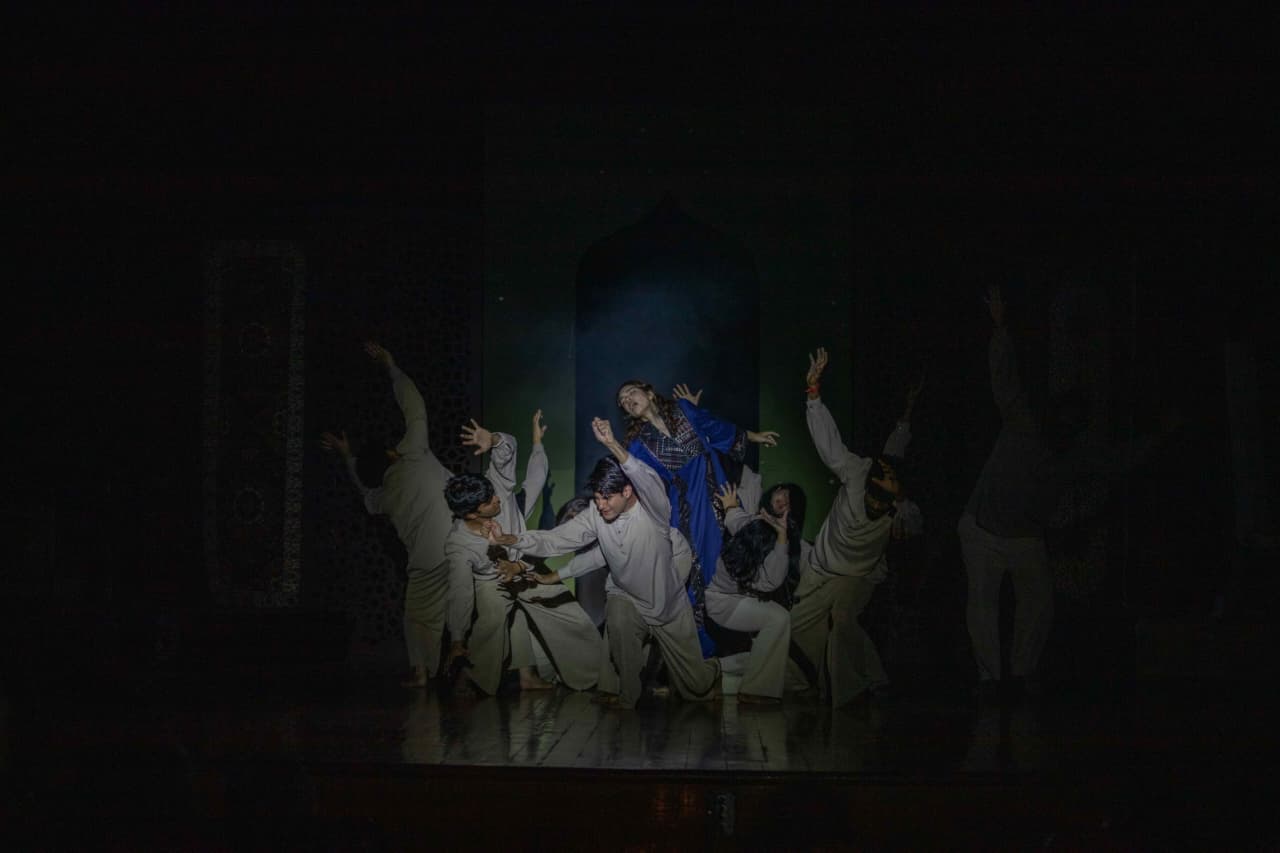
A novel and a play are fundamentally different forms of storytelling. Tahera S. shares the creative challenge of adapting popular novels for the stage—a process not of recreation, but of interpretation—that allows her to capture a story’s enduring spirit and bring its human experiences into the present moment.
As a theatre director, I am constantly drawn to stories that have the power to move people deeply, spark conversation, and leave a lasting emotional impact. Popular novels often possess all these qualities. They offer rich narratives, layered characters, and emotional depth that make them compelling material for theatrical adaptation. For me, directing a novel as a play is not simply about transferring a story from page to stage; it is about discovering new ways of experiencing that story through the unique language of theatre.
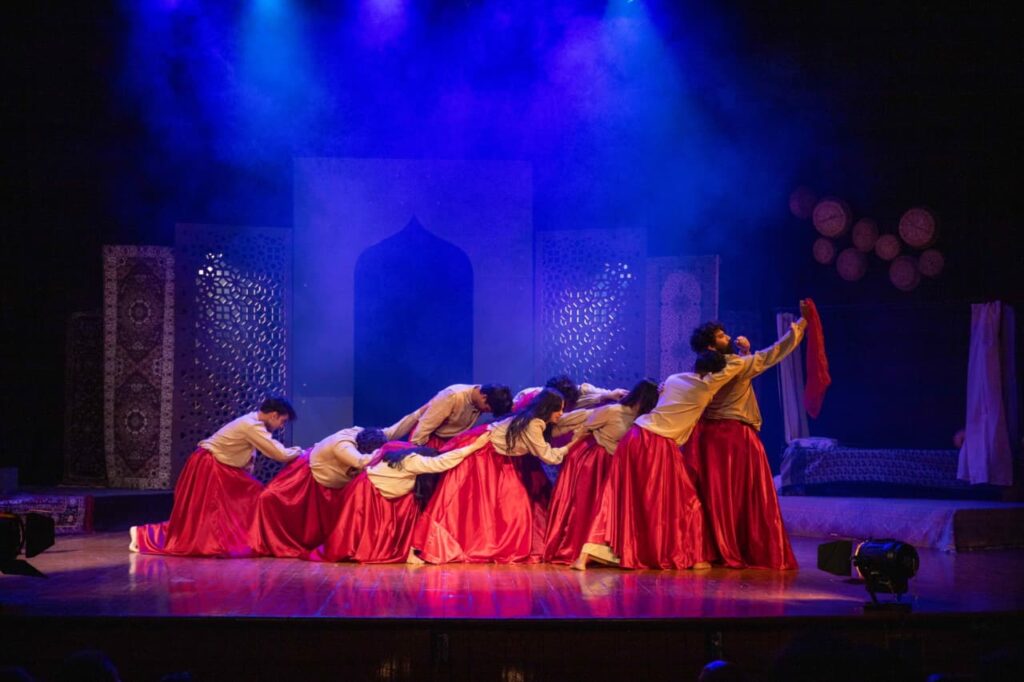
A scene from the theatre adaptation of ‘A Thousand Splendid Suns’
One of the reasons I choose to adapt popular novels is the connection they already share with audiences. Many readers form deeply personal relationships with the books they love. The characters become familiar companions, and the stories remain with them long after they have finished reading. When I bring such a novel to the stage, I am engaging with those memories and emotions. I find it exciting to create a theatrical experience that allows audiences to revisit a beloved story from a fresh perspective.
I am particularly interested in the depth of character that novels provide. Literature allows us to enter a character’s inner world in a way few other forms can. We gain access to their thoughts, fears, hopes, and contradictions. As a director, I enjoy the challenge of translating those internal experiences into something visible and tangible. Through performance, movement, design, and staging, I explore how emotions on the page can be brought to life for an audience.
Another reason I am drawn to popular novels is their ability to address universal themes. Many of these stories explore love, loss, resilience, identity, family, injustice, and survival—subjects that continue to resonate across cultures and generations. Theatre provides an opportunity to re-examine these themes collectively. What may have been a solitary reading experience becomes a shared emotional journey. I believe there is something powerful about a room full of people witnessing the same story unfold and responding to it in real time.
The process of adaptation itself fascinates me. A novel and a play are fundamentally different forms of storytelling. A novelist can spend pages describing a thought or a memory, while theatre relies on action, imagery, sound, and human presence. Adapting a novel requires making choices about what to preserve, what to transform, and what to reimagine. I enjoy this process of interpretation because it encourages me to think deeply about the essence of a story. My goal is never to recreate a novel word-for-word, but to capture its spirit while allowing it to live fully as a theatrical work.
I also see adaptation as a way of expanding theatre audiences. Popular novels often attract people who may not regularly attend plays. Their curiosity about how a cherished book has been interpreted on stage can bring them into the theatre for the first time. I value this opportunity because it helps create new conversations between literature and performance and introduces more people to the unique experience of live theatre.
Stories such as The Kite Runner and A Thousand Splendid Suns particularly inspire me because they centre human experiences that deserve to be witnessed and shared. Their exploration of resilience, sacrifice, identity, friendship, and hope speaks to audiences across cultural boundaries. Bringing such stories to the stage allows me to explore not only the narratives themselves but also the emotional and social questions they raise. Theatre has the ability to make these experiences immediate and visceral in a profoundly moving way.
I choose to direct popular novels because they offer a meeting point between literary imagination and theatrical possibility. They challenge me as an artist, connect deeply with audiences, and provide opportunities for meaningful storytelling. Every adaptation becomes a conversation between the original author, the creative team, the performers, and the audience.
For me, theatre is an act of bringing stories into the present moment. It is in that transformation from page to performance that I find some of the most rewarding and meaningful work as a director.

Tahera S. is a theatre director, actor, producer, trainer, educator, and the founder of Arena Theatre Productions, established in 2022. Over the last four years, she has directed and produced eight acclaimed stage productions, with performances staged across cities including Bengaluru, Mumbai, and Hyderabad. Her notable productions include Fourteen by Alice Gerstenberg, Taramandal by Neel Chaudhuri, The Vagina Monologues by Eve Ensler, The Seagull by Anton Chekhov, Tumhare Baare Mein by Manav Kaul, To Kill a Mockingbird, The Kite Runner, and A Thousand Splendid Suns, which premiered in India for the first time.