Discovering The Old Soul of Bengaluru’s Langford Town
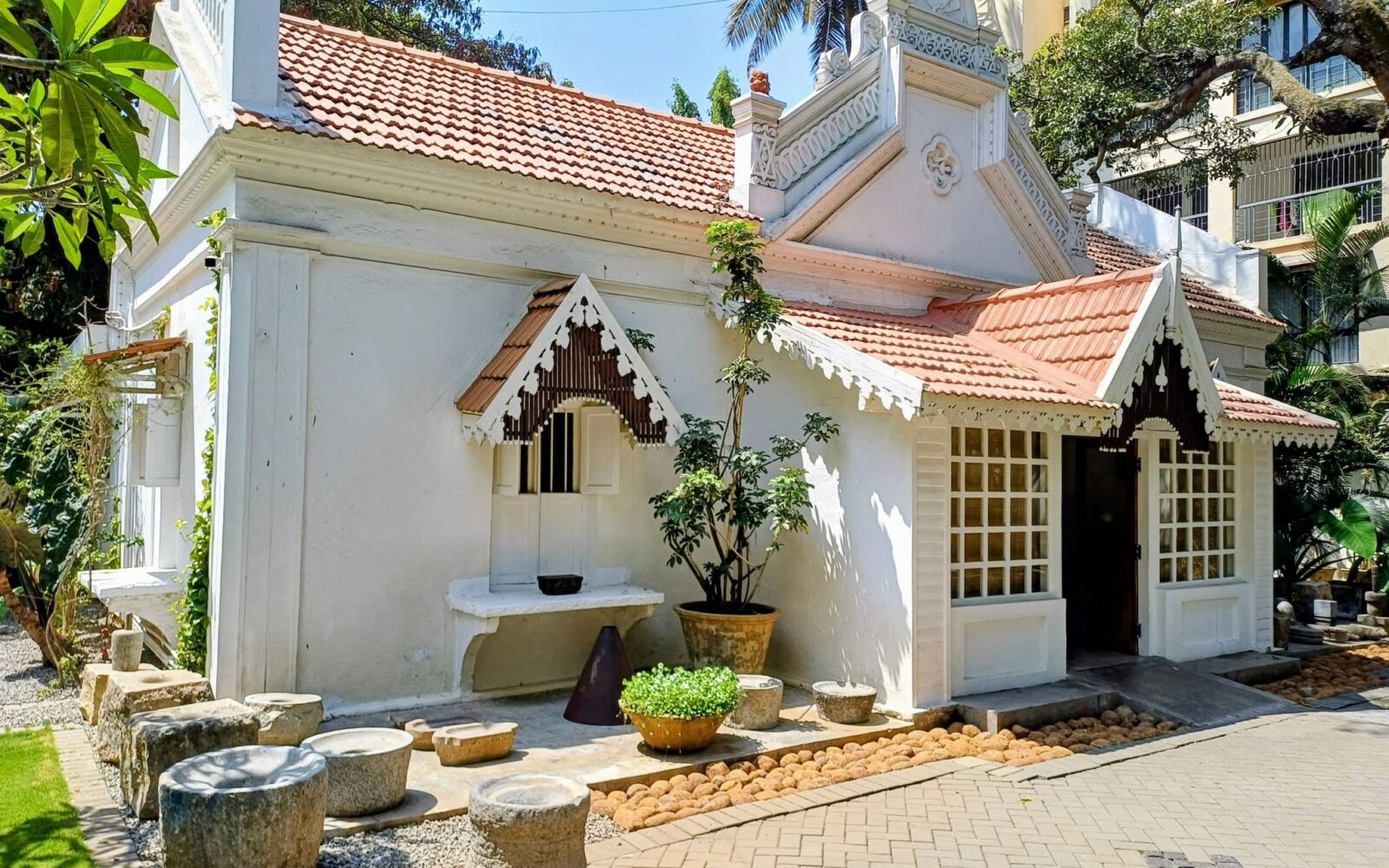
Sometimes the most interesting stories are hiding in plain sight, as Sandhya Mendonca discovers. A journey connecting the past to the present began by tracing a single property’s sale deed and uncovered an interesting connection of little Langford Town to a railway heritage, the iconic Indian Institute of Science, the legendary Opera House and more.
No archway announces Langford Town. Most people driving down Langford Road don’t know that the route goes through a locality with its own identity, distinct from the better-known, larger Richmond Town.
All that people notice when traffic jams force them to cut through the handful of little side roads is a green canopy that closes overhead, letting in dappled sunlight. If they slow down to a more sedate pace, they can hear the animated chatter of parrots, the attention-seeking shriek of kites and perhaps feel the gaze of gambolling squirrels.
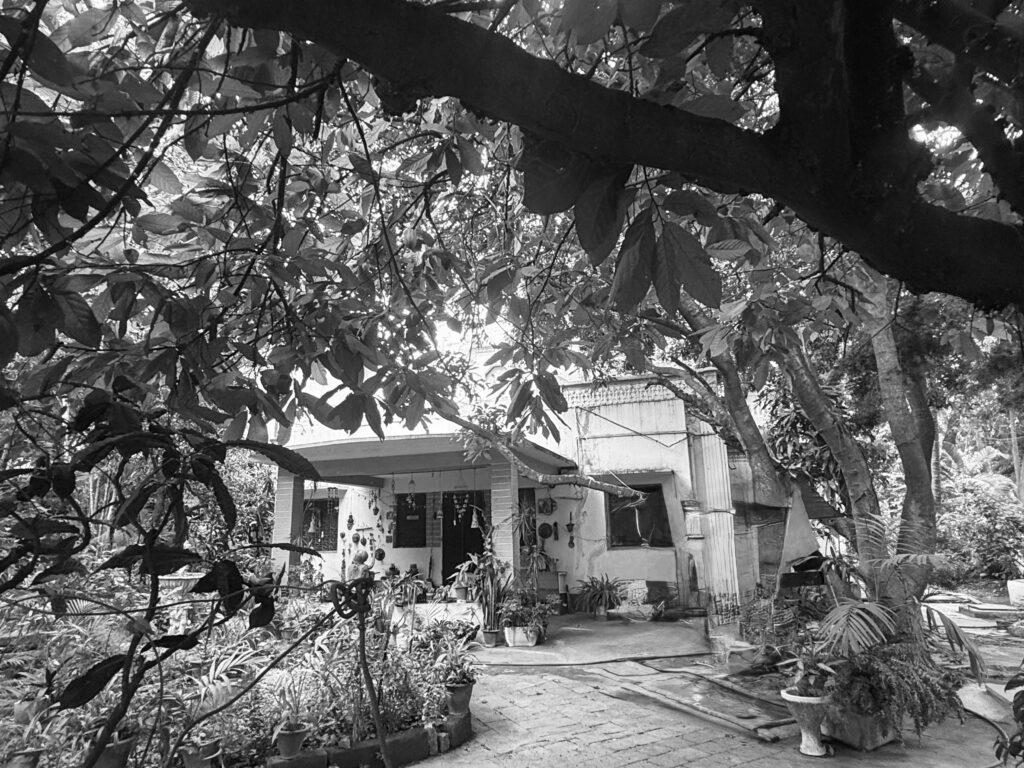
The houses in Langford Town looked like this
Langford Town is one of a small cluster of localities like Richmond Town, and others way across like Cooke Town and Benson Town which were laid out in the late nineteenth century as part of the old Bangalore Cantonment. That’s when the Civil and Military Station was still legally and administratively separate from the native city (‘pete’) around Kempegowda’s fort. These were planned neighbourhoods in the truest sense: wide plots, generous setbacks, avenues of rain trees and gulmohars planted for shade, alongside gently curving streets.
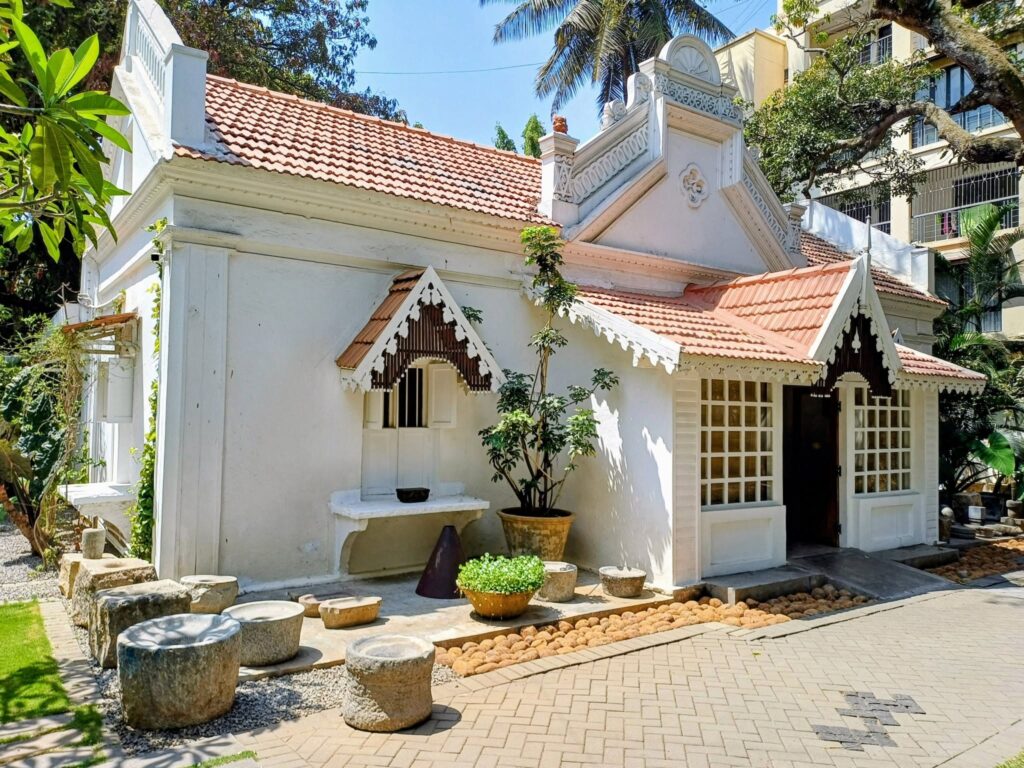
A colonial-era bungalow in Langford Town – Pix credit: Shyam Kodavarthi
A century on, much of that fabric has given way to vertical development; a few rare old bungalows hold on as the last bastion of that period in the city’s history. The apartments I have lived in over the last 20-plus years in this locality also stand on what were once bungalows. I briefly lived in a small apartment in Hussainabad, where Judge Mir Iqbal Hussain’s bungalow once stood. I remember seeing the original house when some of us were invited by one of the grandsons who was our classmate. The place I lived in previously had come up on land once owned by the postmistress of Richmond Town.
A Place Called Home
I hadn’t paid much attention to the provenance of my current home. The information lay dormant in my sale deed, which I must have looked at half a dozen times. Something made me look up the name of the very first owner listed on the sale deed, and I felt a frisson of thrill and delight to discover that my home has a historical connection to far more illustrious buildings in the city.
Before the apartment was built, the sale deed recites that the composite land—then bearing Municipal No. 21 (old No. 3), Moyenville Road—belonged to one Thomas C. William Skipp. On 11 April 1917, he sold it to Chikkarevanna, son of Revanna, by a deed registered before the Sub-Registrar, Bangalore. Intrigued by this thread connecting my home to the city’s past, I decided to find out who Skipp was.
A Railwayman’s Son
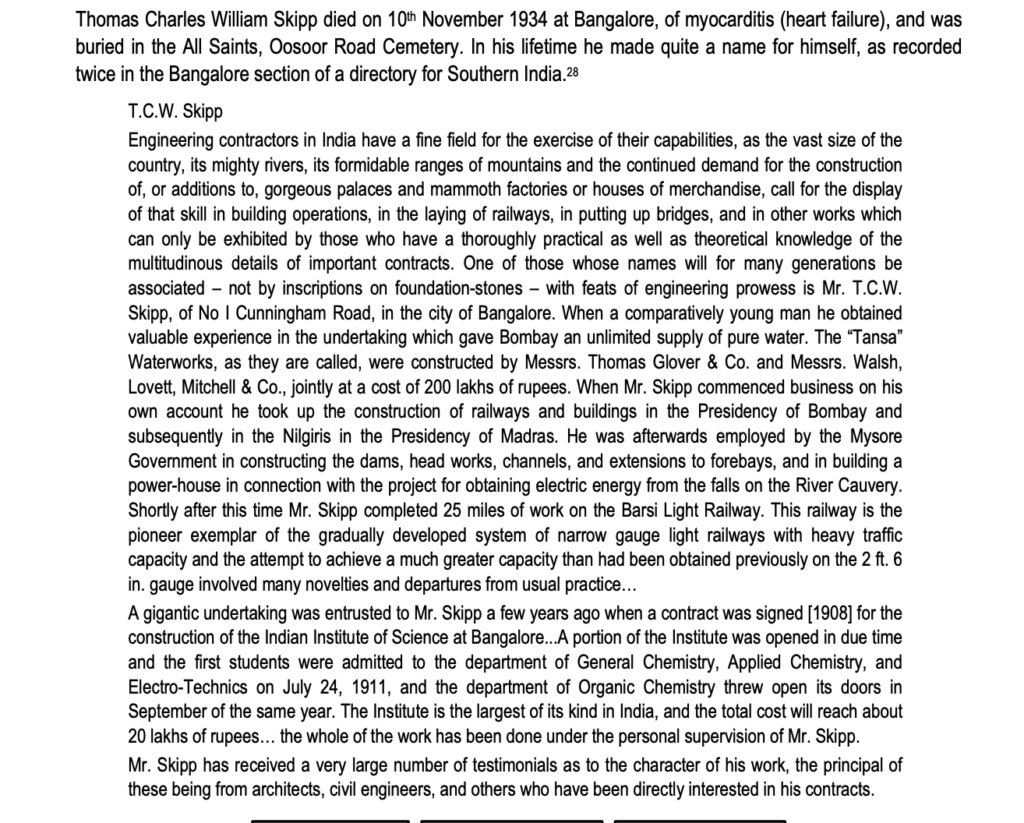
Thomas Charles William Skipp was born on 26 February 1870 at Buxar, Bihar, the son of a Welsh-born East Indian Railway engine driver. He did not stay on the footplate. He built his career on contracts: the Tansa waterworks that served Bombay, railways and buildings across the Bombay Presidency and the Nilgiris, and then worked for the Mysore Government on the dam, headworks and channels of the Cauvery hydroelectric scheme. A directory of the period also credits him with 25 miles of the Barsi Light Railway, a pioneering line of its day.
The Contractor of Cunningham Road
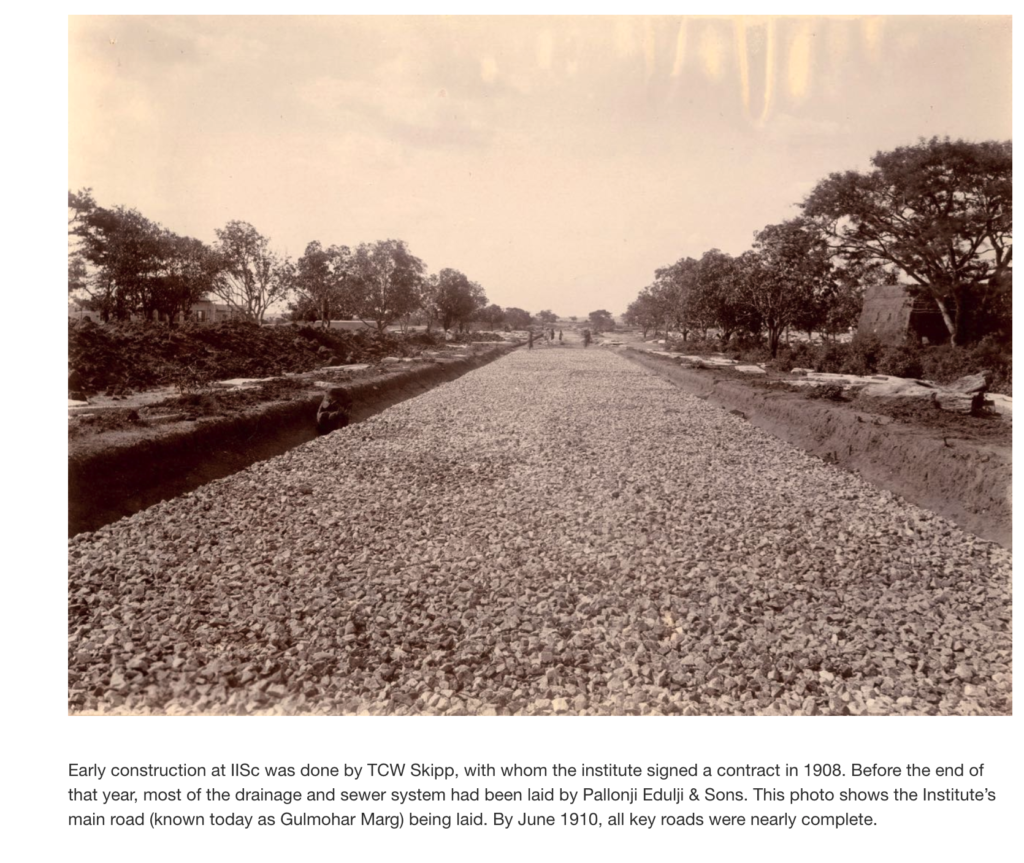
In 1908 he signed the contract that defined his career. The Indian Institute of Science’s own institutional history records him as its early construction contractor. He lived at No. 1 Cunningham Road, and for the next few years he supervised the building of what would become one of India’s foremost research institutions. The first students arrived in 1911.
The Opera House
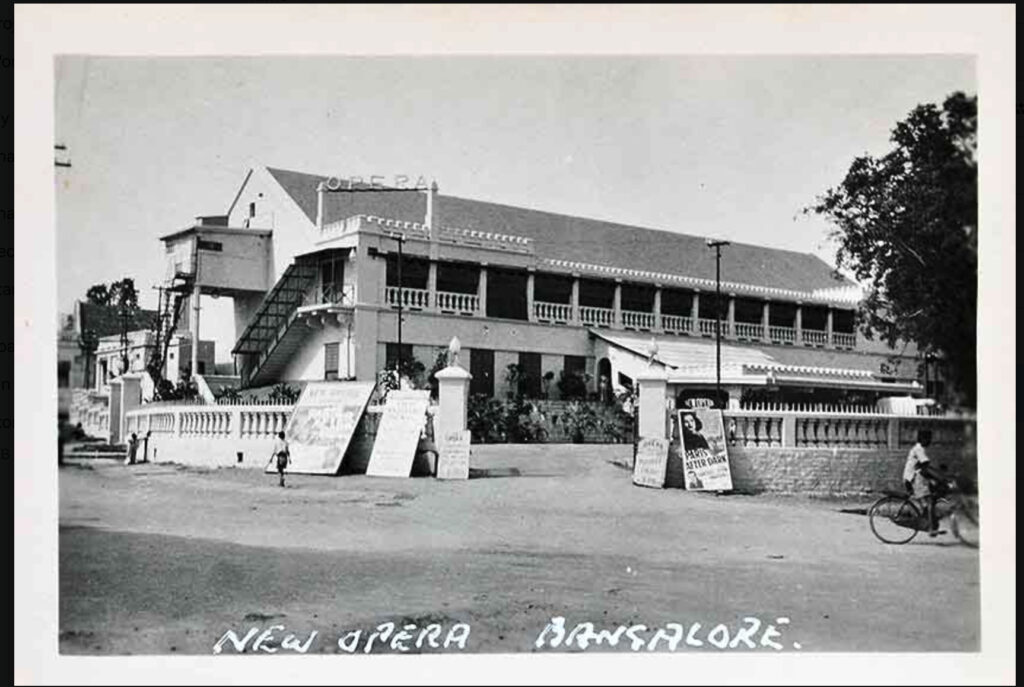
Alongside contracting, Skipp bought the property, designed and built the storied Opera House on Brigade Road, which used to be a venue for dances and theatre. Skipp married Elizabeth Maiden at St Mark’s Church, Bangalore, in 1896. She died in 1910, and he remarried in 1920.
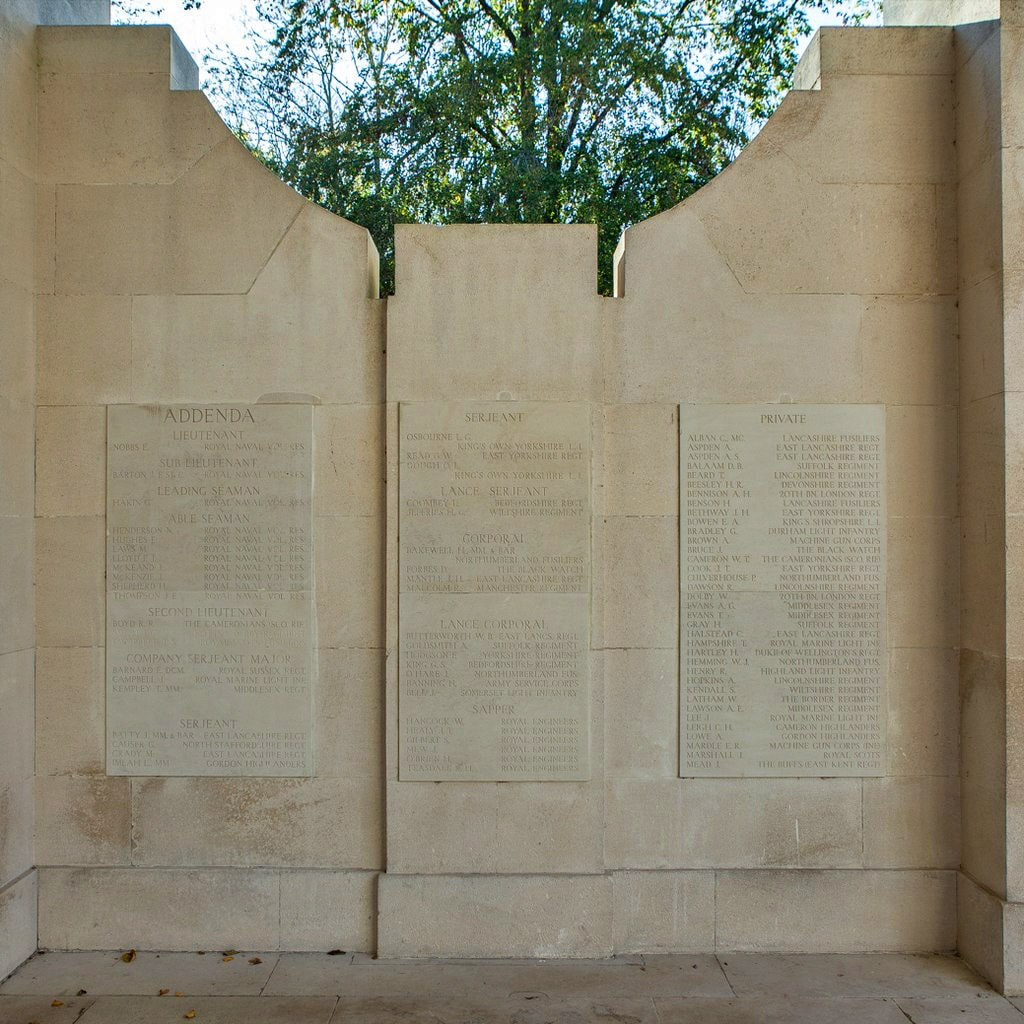
The First World War touched his life. His eldest son, Ralph, enlisted with the West Yorkshire Regiment and gave his father’s Bangalore address as next of kin. Ralph was killed near Arras on 27 March 1918. He has no known grave, and his name is among the nearly 36,000 on the Arras Memorial. For years afterwards Skipp wrote to the War Office, trying to obtain his son’s medals, plaque and scroll. The correspondence is a thread of grief that finds its way through cold records of contracts and land deals.
Skipp died in Bangalore on 10 November 1934 and was buried at the All Saints Cemetery on Ulsoor Road. A few years later, his heirs sold the Opera House to Indian owners, who turned it into a cinema under a neon “New Opera” sign. It later became a warren of small shops, stuck in protracted litigation, until it was restored to its original glory in 2018. It’s now known as the Samsung Opera House, a flagship brand store.
Moyenville Road
The Moyenville Road plot stayed with Chikkarevanna’s family. They probably viewed it as an investment and don’t seem to have lived on the property. By talking to one of the heirs, Renu Kumar, and a couple of neighbours, I gathered that there was a good-sized house typical of the area, which is commonly referred to as a ‘British officer’s bungalow’.
This would be in keeping with the description of the habitats in the area, as mentioned in ‘Southern India: its history, people, commerce, and industrial resources’ (Playne, Bond and Wright). It notes, ‘One of the smaller, but at the same time one of the most attractive, of the younger suburbs is Langford Town, which lies to the south-west of Richmond Town. The township is unique in character, as its residences are built very largely after the style of Swiss chalets, but a further inducement is offered by reason of its open and healthy situation. The inhabitants consist of Europeans and Anglo-Indians only.’
Among the various people who lived there over the years was the Law Secretary of the state. I got to know this from Justice Mir Iqbal Hussain’s son, Sajjad Hussain.
The property passed from Chikkarevanna to heirs, one of whom probably named it ‘Renuka Nivasa’ after one of his daughters. The last known occupant was Mrs Naidu, whose family used to own a garage; I learnt this from another neighbour, Samir Akbar, whose family bungalow, Eralil House, has also been developed into rather lovely looking apartments. I couldn’t source a photo from them or Chikkarevanna’s descendants to show how any of these buildings used to look.
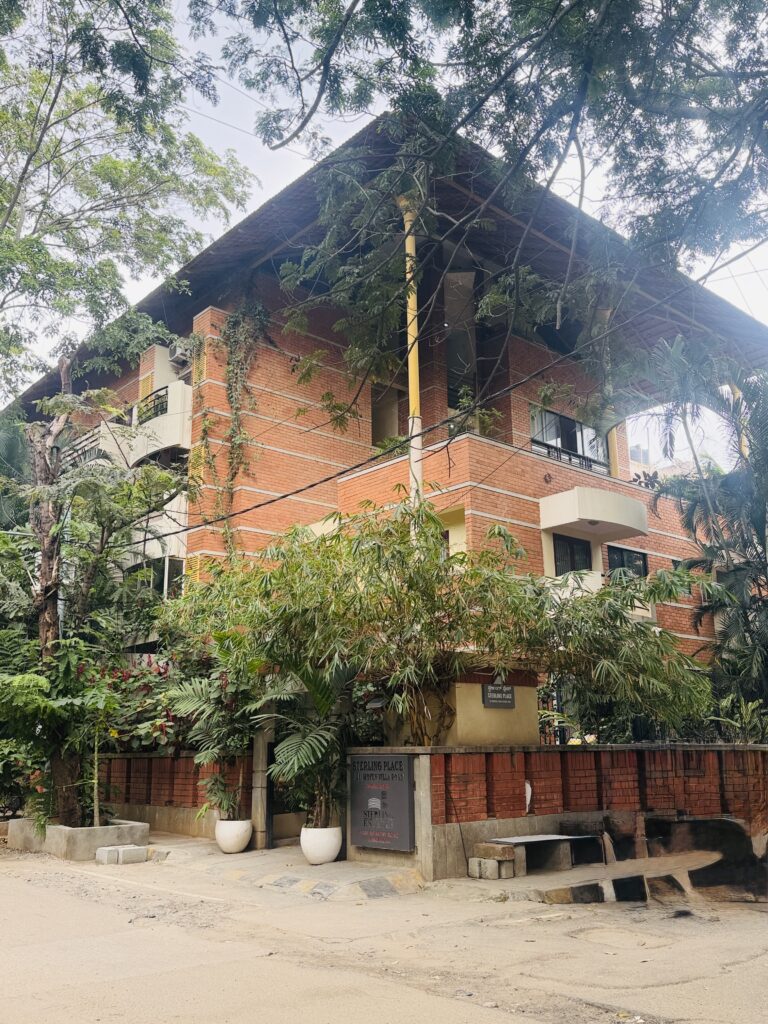
Let’s glide past some years until it reaches the next set of heirs who entered into a joint development agreement. In December 2003, the construction of the building named Sterling Place was completed on it. When I first saw the property, the old dwelling had already been demolished and the cornerstone of the apartment was being laid. I saw the building coming up although I moved in some years later.
The modern building is a handsome structure that carries the legacy of the locality — red brick banded with a deep sloping tiled roof, ground floor gardens and balconies on upper floors, a welcome sight with colourful creepers, bamboo, palms and the branches of the street trees.
It is just about two decades old, on a title that is more than a century old. A paper trail runs from deed to deed, connecting name to name, all the way back to a living legacy of brick and concrete. Perhaps the ground remembers, even when the people in the buildings on it don’t. But that’s okay too. Sometimes memories are a heavy burden to carry, and it’s alright to shed some and live lightly. People have moved here, to take up a new job, to start a family or a fresh start. And that’s how life goes on. Sometimes though, it’s perfectly fine to remember the lives that have passed before, in acknowledgement and appreciation.
Sources:
T.C.W. Skipp’s engineering projects in Bangalore, including Indian Institute of Science
How Bengaluru’s Opera House came back to life
The Ortiger Connection: I got a good deal of information about TCW Skipp from this source. T.C.W. Skipp’s elder sister, Emma Constance Skipp, married Henri Pierre “Henry” Ortiger, a locomotive driver for the East Indian Railway. The Ortiger Connection is a family history written by a descendant of Emma’s daughter, Valerie.
Southern India: its history, people, commerce, and industrial resources (Playne, Bond and Wright)

Sandhya Mendonca is an author and biographer, and the Founder & Managing Director of Raintree Media, which publishes The Good City.
#Bangalore Heritage#Colonial Past#History#langford town#Opera House#Railway History