Beyond Hospitals: Rethinking Healthcare for India
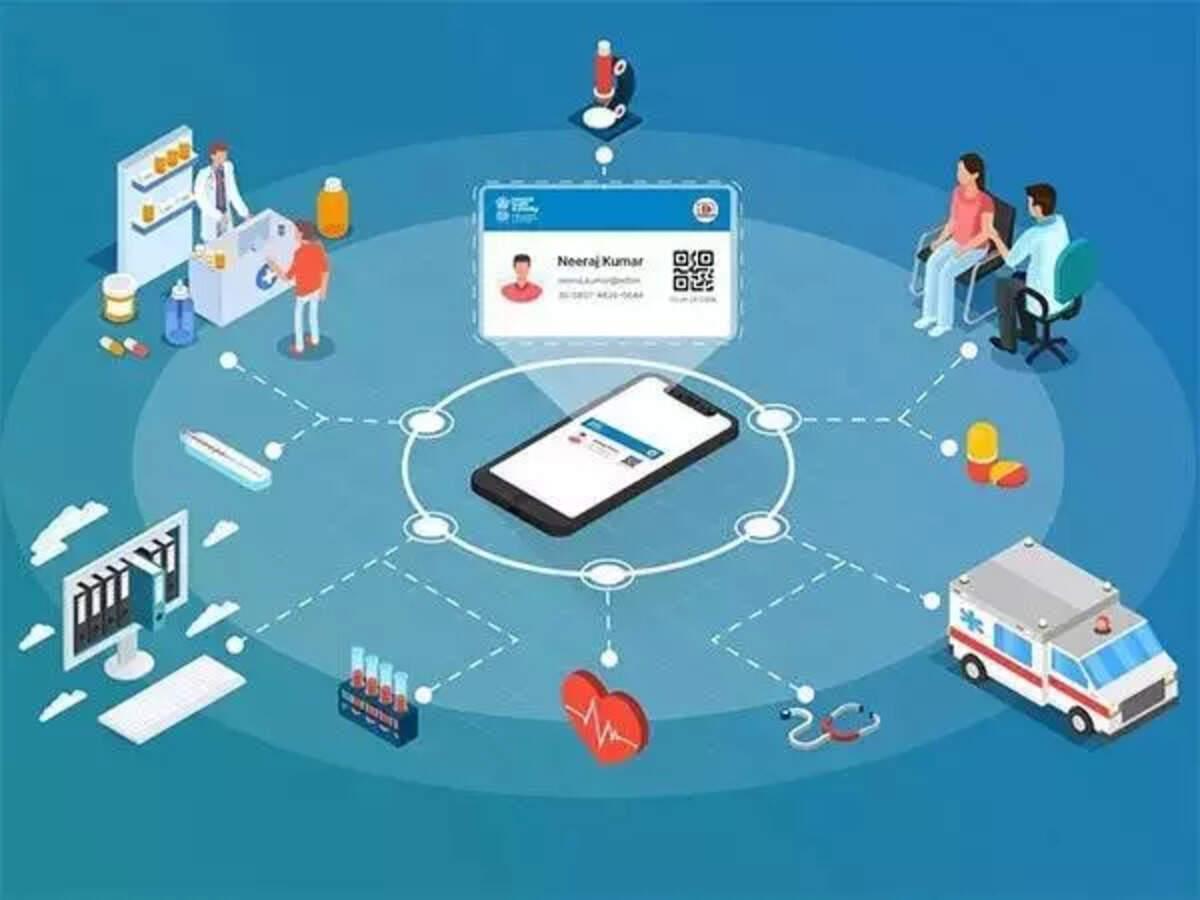
A landmark Lancet Commission argues that the country’s next healthcare revolution lies not in creating new institutions, but in connecting the ones it already has. The report proposes integrated delivery systems, connected digital health records, and citizen-centred care — reimagining healthcare as built around people, not fragmented institutions.
India has spent decades expanding healthcare by building hospitals, training doctors, launching insurance schemes and investing in digital infrastructure. Yet for millions of patients, every medical visit still begins from scratch. Every time Jaya, a 60-year-old from Chennai in Tamil Nadu, visits a doctor, she carries her medical history in a blue plastic folder. The folder contains years of prescriptions, blood sugar reports, ECGs, X-rays, and discharge summaries. The papers are yellow, their edges curled from repeated journeys between clinics and hospitals, and in some, the ink is fading. At the Primary Health Centre (PHC), she unfolds them for the doctor. At the district hospital, she rummages through the pile again. When a relative suggests a private physician in the nearby town, the folder travels with her once more for yet another round of scrutiny with oft-repeated questions.
“What medicines are you taking?” “When were you diagnosed?” “Do you have your previous reports?” The answers are not hidden somewhere in a digital record; they are carried by Jaya herself. Not just in the plastic folder but also in her mind. After years of doctor visits alone, she knows her medical history by heart, and she has also learnt to pull out the right papers when asked by the doctor. Jaya’s experiences aren’t unique to her and transcends social strata and states. Sameer Hallady, a middle-aged IT professional from Hyderabad, who only visits private doctors for ailments like deep vein thrombosis and hypertension, faces something similar. He has to remember her diagnosis and also carry the huge file of prescriptions and medical history to every specialist.
In a country where billions of digital payments move seamlessly every month, and identities can be verified in seconds, healthcare continues to depend on paper files, fading prescriptions and the patient’s memory. It is an image that quietly captures what ‘The Lancet Commission on a citizen-centred health system for India’ describes as the central challenge facing Indian healthcare today.
For decades, the country’s health debate has revolved around familiar prescriptions: build more hospitals, train more doctors, expand insurance, and increase public spending. Those remain important goals. Public expenditure on health remains below 2% of GDP, well short of the National Health Policy target of 2.5%, while out-of-pocket expenditure still accounts for nearly half of all health spending. Yet the Commission argues that India’s greatest challenge today is no longer simply a shortage of money or infrastructure, and that the many parts of the health system rarely function together.
The consequences become visible in the lives of people with chronic illnesses. Take diabetes, one of India’s fastest-growing health concerns. A patient may receive medicines from the local PHC, undergo blood tests at a private laboratory, consult an ophthalmologist for diabetic retinopathy at a district hospital, and later see a cardiologist in a tertiary-care centre. Each visit is clinically connected but institutionally isolated. Records remain scattered, and doctors depend on patients to remember medication histories and previous investigations. Follow-up becomes inconsistent, and care turns into episodic encounters rather than a continuous relationship.
Even tuberculosis, where India has built one of the world’s largest disease-control programmes, illustrates the challenge. A patient diagnosed in one district may migrate for work, interrupt treatment, or seek care from a private provider. Without seamless information sharing across providers, continuity of treatment becomes harder to maintain, increasing the risks of relapse or drug resistance.
These are not failures of medicine but of organisation and the Commission’s answer is not another insurance programme or another wave of hospital construction. Nor is it the futuristic vision of artificial intelligence that increasingly dominates conversations about healthcare.
Instead, it proposes something more fundamental: a citizen-centred health system in which care is organised around people rather than institutions, and where digital public infrastructure quietly knits together every encounter a patient has with the health system. When people transfer money through UPI, they rarely think about which bank the recipient uses. Different institutions communicate through a common digital architecture built on shared standards. The transaction follows the individual, not the institution.
The Commission argues that healthcare should work in much the same way. Whether Jaya visits her village PHC, a government hospital in Chennai, or a diabetologist in Chennai, every doctor should be able to see the same health record. Her medicines, allergies, laboratory reports and referrals should be available without her carrying a plastic folder from one consultation to another.
How it works
The Commission’s emphasis on digital infrastructure is not accidental. As, Biocon Founder Kiran Mazumdar-Shaw, who co-chaired the Lancet Commission, calls the, Covid pandemic India’s Sputnik moment.” (The phrase originates from October 4, 1957, when the Soviet Union successfully launched Sputnik 1, the world’s first artificial satellite. The achievement stunned the United States, which had assumed unquestioned technological supremacy, and ignited widespread fear across the country. This reaction — known as the “Sputnik crisis” — kicked off the Cold War “Space Race” between the two superpowers.)
It exposed both the country’s long-standing struggle to achieve universal healthcare and its unprecedented opportunity to reimagine it through technology. Reflecting on the Commission’s work, she added that the digital agenda deserved even greater prominence. Shaw sees technology not merely as an enabler but as the means by which India can fundamentally leapfrog traditional models of healthcare delivery. Perhaps the Commission’s most ambitious contribution lies not in identifying what India’s health system lacks, but in reimagining how it should function. Rather than proposing another flagship scheme or a fresh insurance programme, it outlines what is essentially a new operating model for healthcare delivery. At the heart of this vision is the creation of Integrated Delivery Systems (IDS) or networks that would bring together Ayushman Arogya Mandirs, Community Health Centres, district hospitals, medical colleges, diagnostic services and, where appropriate, private providers into a coordinated ecosystem serving a defined population. The idea is deceptively simple: instead of each institution working in isolation, the system itself becomes responsible for the patient’s entire healthcare journey, from prevention and early diagnosis to specialist treatment, rehabilitation and follow-up. Today, a person with diabetes might receive medicines at a Primary Health Centre, undergo blood tests at a private laboratory, consult an ophthalmologist at a district hospital, and visit a cardiologist in a tertiary-care centre, with each provider working independently. The Commission argues that this episodic model must give way to one of continuity, where every healthcare interaction builds upon the last rather than beginning from scratch.
Digital infrastructure is central to making this possible, but the report is careful to distinguish digitisation from transformation. It envisions interoperable electronic health records that move securely with the patient, enabling providers across different levels of care to access the same information with informed consent. This would reduce duplication of tests, minimise medication errors and improve referrals, while also easing the burden on patients who currently carry years of medical records from one consultation to another. Beyond individual care, the Commission proposes what it calls a learning health system. It is a system in which routine clinical data is continuously analysed to improve treatment protocols, identify disease trends, allocate resources more effectively and strengthen public health planning. It also recommends shifting from hospital-centred metrics, such as the number of admissions or procedures, to population-based outcomes: Are more people with hypertension keeping their blood pressure under control? Are fewer diabetics developing kidney disease? Are patients receiving timely follow-up after discharge? In this framework, success is measured not by how many services the system delivers, but by whether people actually become healthier.
Opportunity to redesign healthcare
Over the past decade, the country has built one of the world’s most ambitious digital public infrastructures. The Ayushman Bharat Digital Mission seeks to create interoperable health records, digital identities and common standards across public and private healthcare providers. The Commission sees this not merely as a technological achievement but as an opportunity to redesign healthcare itself.
Digital systems should reduce paperwork for frontline workers, make referrals smoother, prevent unnecessary repetition of tests, improve continuity of care, and generate reliable evidence for better policymaking. They should help health workers spend more time with patients and less time filling registers.
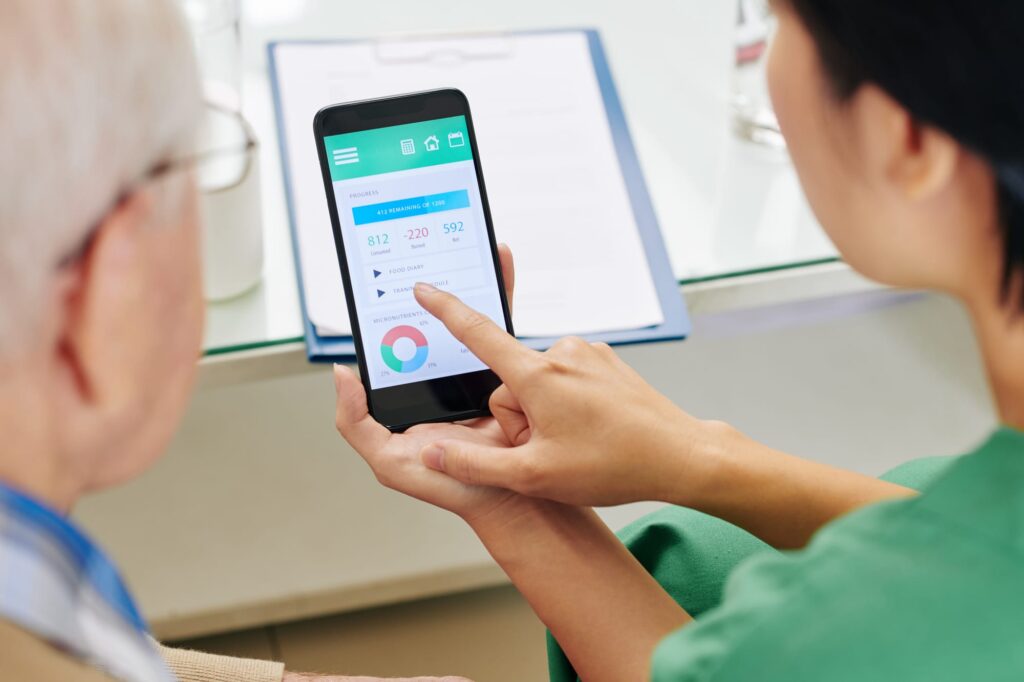
The future of healthcare lies in integrated care, digital infrastructure and citizen-centred governance.
The Commission therefore argues that digital reform must accompany institutional reform. It calls for integrated delivery systems anchored in strong primary care, financing that rewards health outcomes rather than administrative processes, and greater accountability to citizens through Panchayats and local health assemblies.
That vision has implications far beyond India, as many wealthier countries continue to struggle with health systems where hospitals use incompatible software and patients still navigate disconnected institutions. India, by contrast, has the opportunity to build a national digital health architecture before fragmentation becomes entrenched. If it succeeds, its contribution to global health may extend beyond manufacturing vaccines and generic medicines. It could demonstrate how digital public infrastructure can support universal health coverage in low- and middle-income countries.
If the Lancet Commission’s report is acted upon, the average Indian citizen could walk into a clinic without carrying a folder swollen with old prescriptions, as the doctor already knows her story. The radical reform that could come about could be that the future of healthcare is not about teaching technology to think like doctors but about building a health system that finally remembers its patients.
This is not inconceivable as it’s already happening within hospital chains – check out story on: https://thegoodcity.in/innovation-technology/carrying-your-medical-history-in-your-pocket/
Voices of Caution
Dr Soumya Swaminathan, Chairperson, MS Swaminathan Research Foundation, pointed out the need for a measured approach: even as technology is deployed to its fullest, adding that while many apps are being used and extensive reports are being managed on apps, the focus should also be on optimising the time spent by the frontline health workers with the patients at the PHCs. She added that while Panchayats were involved in the delivery of health services, they were required to be empowered to carry out the tasks efficiently. She also observed that there is very little citizen involvement in health governance. “In countries like Thailand, we have health assemblies from the village level to the national level,” she said. She advocates greater citizen involvement in health governance and cites Thailand’s model, which has health assemblies from the village to the national level.
The Commission’s vision is ultimately about making India’s healthcare system function as one. Sharad Sharma, Co-founder, iSPIRT Foundation, pointed out that healthcare currently operates in disconnected silos, and integrating these — at least from the patient’s point of view — is critical. He framed this as a shift away from fragmented institutions toward more coordinated care.
He also cautioned that any effort to transform the health system needs to stay grounded in core public health principles. Specifically, he highlighted preventive health, early detection, and immediate care as three pillars that must work together — both for successful integration and for the system to have a real impact going forward.
India’s Healthcare by the Numbers
| Indicator | Latest estimate | Why it matters |
| Population | 1.4+ billion | Scale of the challenge |
| Public health expenditure | <2% of GDP | Below National Health Policy target |
| Out-of-pocket spending | ~47% of total health expenditure | Families still shoulder a large share of costs |
| Deaths from NCDs | ~63% of all deaths | Chronic disease now dominates |
| Ayushman Arogya Mandirs | 1.7 lakh+ operational | Infrastructure has expanded |
| Life expectancy | Around 71 years | Health outcomes have improved substantially |
The Evolution of India’s Healthcare Debate
| Then | Now (Commission) |
| More hospitals | Better coordination |
| More doctors | Better continuity |
| More insurance | Better primary care |
| More spending | Better governance |
| Better technology | Better integration |
| Patients as beneficiaries | Citizens as partners |
The Good City Crew delved into the Lancet Commission report and discussions about it at a panel at the BIC moderated by Professor Vijay Chandru, Commissioner and Co-Chair of the report’s technology workstream.
#Citizen Centred Health Systems#Healthcare Delivery#Integrated Care#Medicine#Primary Health Centres