Building Bridges Between the Netherlands and South India
In The Good City | Catalysts
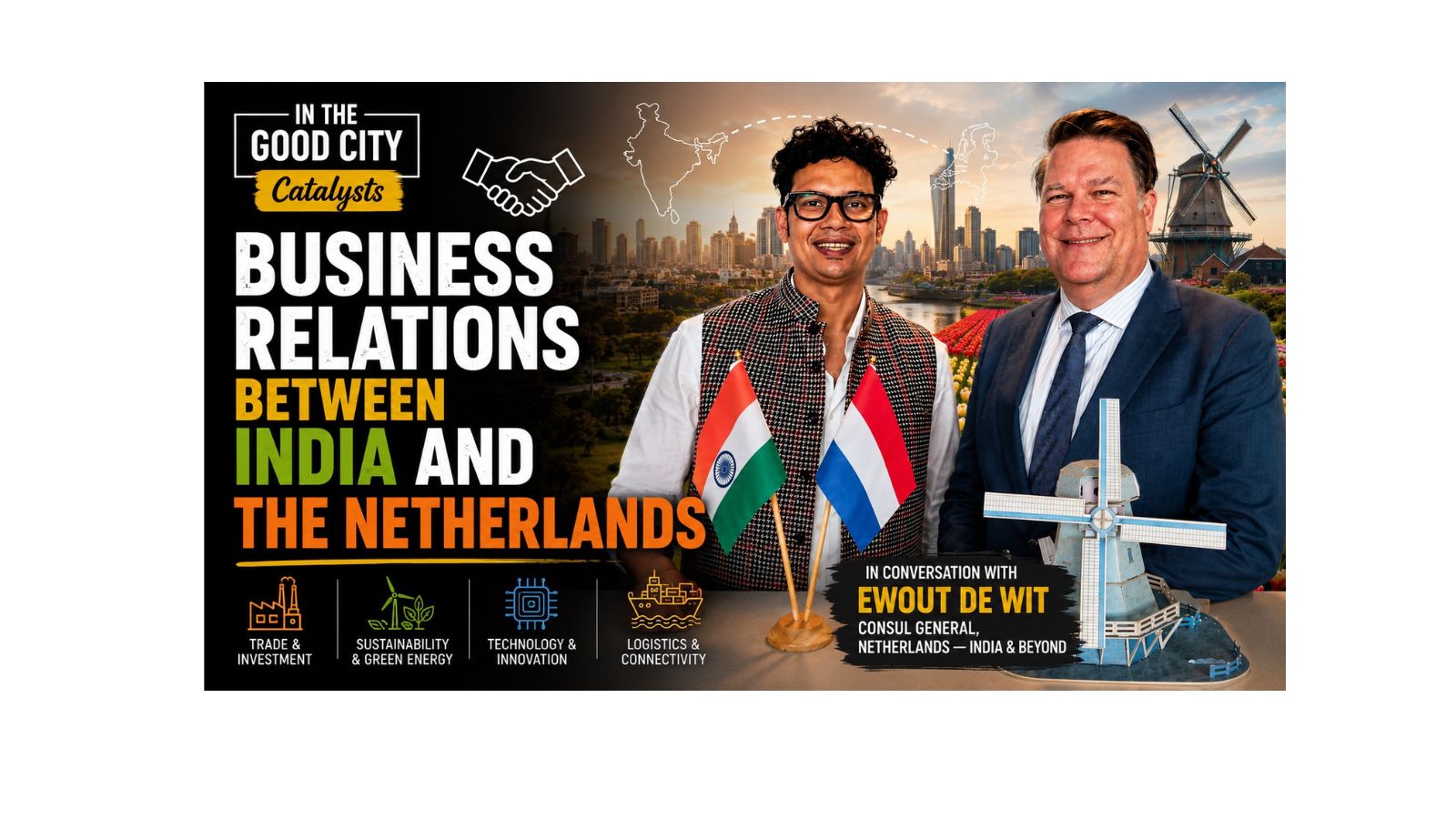
Ewout de Wit, Consul General of the Kingdom of the Netherlands for South India, shares his perspective on diplomacy, innovation, sustainability and the growing partnerships shaping the future of South India and the Netherlands with Aditya Mendonca.
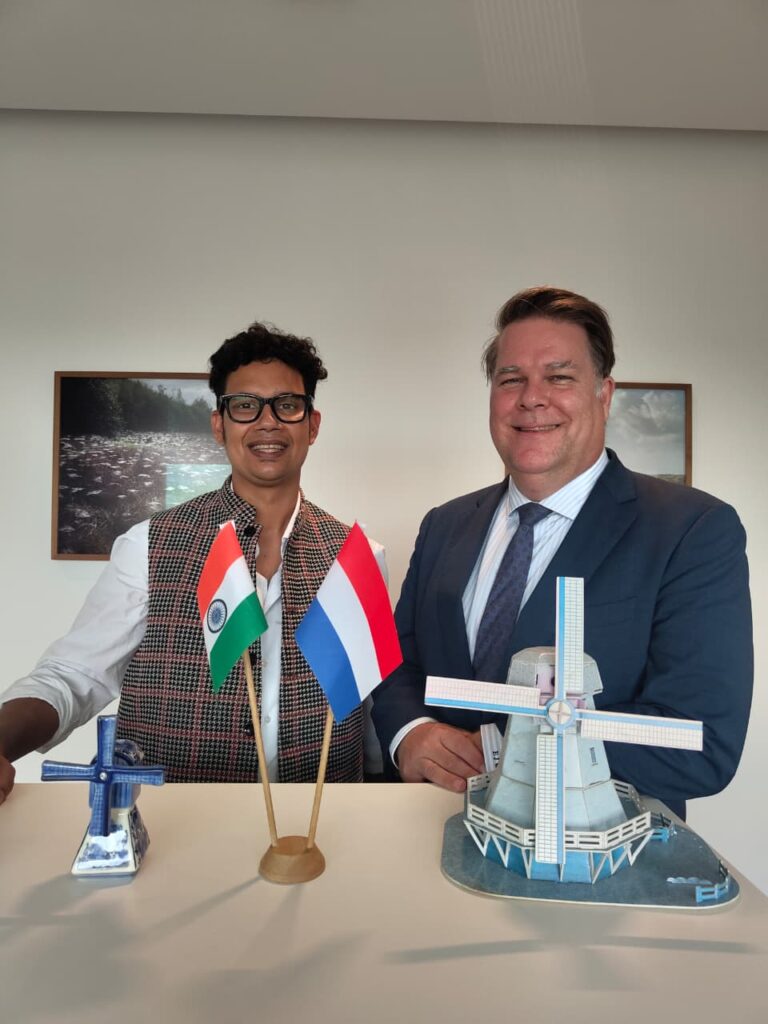
Ewout is wrapping up his tenure in Bengaluru, heading next to Munich as Consul General for South Germany. But before he left, we sat down to reflect on diplomacy, innovation, sustainability, and the growing partnerships shaping the future of South India and the Netherlands. Watch the conversation here.
Some conversations stay with you. My chat with Ewout de Wit, Consul General of the Kingdom of the Netherlands for South India, was one of them — not just because of what he’s accomplished here, but because of the quiet thoughtfulness he brought to four years in a city that never stops moving.
Ewout is wrapping up his tenure in Bengaluru, heading next to Munich as Consul General for South Germany. But before he left, we sat down to reflect on diplomacy, innovation, sustainability, and the growing partnerships shaping the future of South India and the Netherlands.
More Than Visas
Most people assume a consulate is about passports and paperwork. The reality, as Ewout explains it, is far more dynamic. His work here has been about connecting Dutch companies with Indian markets, finding investment opportunities, and exploring joint innovation between two countries that have more in common than you’d expect.
“We look for high-value Indian companies with technology that could be useful for the Netherlands,” he told me. “And we support Dutch companies to find partners and opportunities here.”
From the Aadhaar-UPI ecosystem to AI, drones, and clean energy — Ewout has had a front-row seat to India’s innovation story. And he’s been one of its quieter champions, making the case to Dutch audiences that India is far more than what they imagine it to be.
A Relationship on the Rise
The timing of Ewout’s tenure couldn’t have been more significant. Geopolitical shifts have brought India and the Netherlands closer than ever. Prime Minister Modi’s visit to the Netherlands and the launch of a strategic partnership, alongside the EU-India Free Trade Agreement currently being finalised, mark a turning point in the relationship.
The FTA, expected to be signed by the end of the year, will mean significant tariff reductions on both sides — making it meaningfully cheaper to do business across borders. Indian companies will find new doors opening in Europe. Dutch companies are already preparing to source from India. Ewout’s successor, he says with a smile, will have quite the pipeline to work with.
Opportunities for Indian Entrepreneurs
So what should Indian startups and founders be looking at in the Netherlands? Ewout is clear on a few areas.
Medical technology is at the top of the list. The Netherlands faces a shortage of nurses and doctors, and is actively looking to technology to bridge that gap — AI, imaging, anything that makes healthcare professionals more efficient. A soft landing programme has just been launched for companies working in this space.
Energy infrastructure is another. The Netherlands is grappling with network congestion — too much electricity demand, not enough capacity to upgrade quickly. Technology solutions here are very much in demand.
And e-commerce? Ten-minute delivery was tried in the Netherlands — but ran into restrictions around where dark stores could operate. It’s a reminder that solutions built for one market don’t always transfer directly, but the appetite for innovation is very much there.
Pedalling Through Bengaluru
One of my favourite memories with Ewout goes back two years — a cycling ride around Bengaluru with a wonderfully diverse group, including members from Bengaluru’s bicycling community and Relief Riders India. It was one of those mornings that reminded you why you love this city, even when it frustrates you.
It also opened up a debate that Ewout and I return to often — the stark difference between cycling in Bengaluru and cycling in the Netherlands. There, cycling infrastructure is woven into the fabric of daily life. Here, it remains a passion project for the brave and the determined. Ewout admitted he never quite felt comfortable cycling in the city’s traffic, despite loving the idea of it. It’s a gap that says as much about urban planning priorities as it does about anything else — and one that cities like Bengaluru will need to reckon with as they grow.
What Bengaluru Gave Him
Ask Ewout what he’s taking with him and he doesn’t hesitate. The climate — he’s not a winter person, and Bengaluru’s perpetual-summer suits him well. The energy of the people. The enthusiasm for ideas. And a few unexpected skills: eating a banana leaf meal with his hands, and the confidence to speak without a script.
“If you do it often enough and you know what you’re talking about,” he says, “the confidence comes.” It’s a lesson that applies well beyond podcasts.
What’s Next
Munich awaits — a new city, a new consulate, many of the same themes. South Germany and South India, as it turns out, have more in common than geography might suggest. The work continues, just with more pretzels.
Ewout leaves Bengaluru with good memories and, I suspect, a genuine affection for this city that will bring him back. We’ll hold him to that.
Catalysts is where Aditya Mendonca sits down with the people shaping our cities — leaders, founders, diplomats, creators and change-makers — to explore the ideas, partnerships and experiences that make city life richer. In The Good City Catalysts is produced by The Good City | Raintree Media.
#Catalysts#Consul General in Bengaluru#Cycling#Ewout de Wit#Kingdom of The Netherlands#People