Would Anyone Notice? India’s Independent Watchmakers Step
From Geneva Watch Days to the G7, discover how independent Indian watchmakers are sparking a quiet horological revolution. Aditya Mendonca writes about the rise of private-labelled Indian brands amongst a sea of Swiss, Japanese watches.
How we got here
I remember growing up with classic Japanese Casio watches, digital and indestructible. G-Shocks were all the rage. HMT was on plenty of wrists, my family’s included. We didn’t value any of it then. A watch told the time, and that was that.
Then the wrist got ambitious. The Tissot T-Touch felt like the future. The Rolexes showed up. Patek Philippe became the single malt of watches, the one everyone has an opinion on, usually long before they can afford it. Consider the rise of luxury cars, EVs tricking out most people’s garages, and purists discovering performance enhancements.
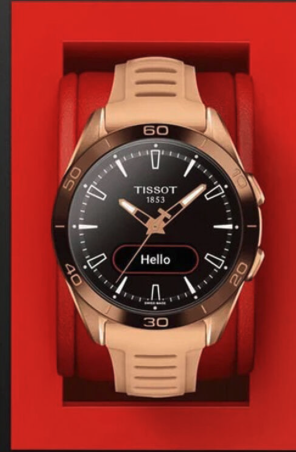
For men my age, a watch is one of the first big purchases that says who you’re becoming, right next to the car. When someone buys a luxury car, what’s on their wrist when they step out matters almost as much.
The money is following that instinct. Premium and luxury watches are reportedly growing 25–30% a year, and stores are opening across the country, including the new ones in our CBD, Bangalore, larger-than-life dedicated to single- and multi-brand outlets.
Wrist check
I often see a variety of watches on people’s hands. I’m also fed up with hearing that Rolex is sold out, and how people acquire new ones from abroad, but there’s a new variety of watches coming out, and I see people experimenting. Almost like the iconic Fastrack ad of ‘Move On’.
At most events, somewhere between the second drink and the buffet, everyone checks everyone else’s wrist. Nobody says it out loud, but the watch gets read like a CV. A Rolex says one thing. Patek says something louder. A Tissot says you’re sensible. A smartwatch says you came straight from the gym. Seiko says you’re getting somewhere. Although, as Indians, we pay the highest after taxes but do not get the latest global models, and we seem to be fine with that.
With more of us Indians travelling, watches coming in from abroad are growing too. I notice because I’ve been the one counting. And almost every watch in that room came from somewhere else.
The wrist that tells me things
For most of my adult life, my watch has been less about telling time and more about telling me things. How I slept. What my HRV looks like. How far I’ve cycled, where I’ve swum. I swear by my Garmin, and I’ve worn one since I learnt to swim in 2017. It syncs to Strava, where a global fitness community cheers on a swim in a lake as if it were their own.
When I’m swimming in open water, I want the GPS. When I’m cycling, I want the route recorded so I can see the city better. When I wake up, I want to know how I slept. When I’m training, I want the numbers.
I’m not alone in wearing a computer on my wrist. Apple Watches, Samsung, Androids, Noise, boAt, Fire-Boltt, Boult and other brands turned the smartwatch from an aspirational gadget into everyday electronics, with a very Indian practicality: a lot of functionality for the money. Thousands of Indians are now used to it.
I don’t wear my Garmin because it’s beautiful. I wear it because it’s useful. And in that world, I stand out for not having a traditional timepiece
The factory we forgot
India made watches once. In 1961, HMT teamed up with Citizen and opened the country’s first watch factory. The Janata, built for ordinary people, had queues outside and a limit of one per customer. Then quartz arrived, mechanical watchmaking took a hit, and HMT shut in 2016.
Titan, from the Tata group, carried on and is still the one Indian name leading from the front as a conglomerate. Though I didn’t like the six-episode Hindi business drama adaptation of ‘Made In India: A Titan Story’ of Vinay Kamath’s book on the creation of Titan during pre-liberalisation India, it is interesting to see the challenges it took to get to the brand it is now in 2026.
The young ones – the rise of new India.
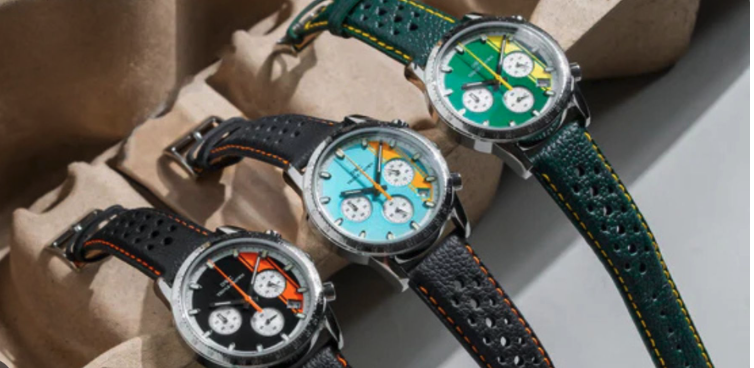
Around 2015, small independent brands began appearing, started by people who simply love watches. They’re selling something harder to measure. Character. Craft. Story.
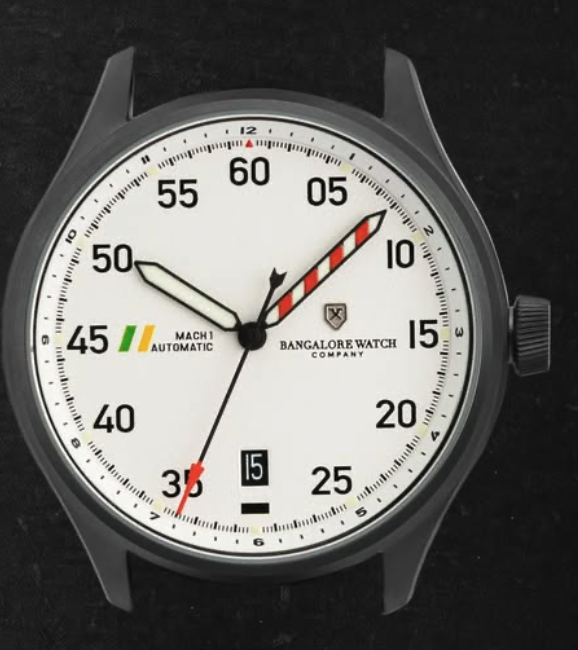
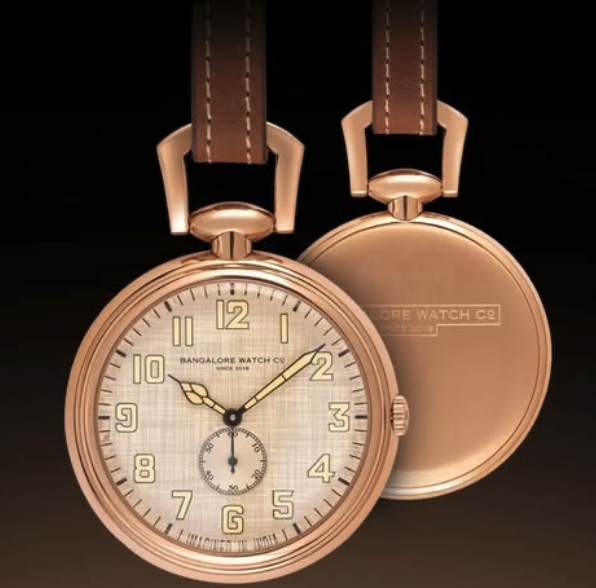
The Bangalore Watch Company took its cues from the Air Force’s MiG-21, cricket and ISRO, and sent one watch to space for testing. This year it reportedly became the first independent Indian luxury brand at Geneva Watch Days.
Jaipur Watch Company’s Baagh was worn by Indian leadership at the G7.
Ajwain built a watch around the Kakori train robbery, and its Shovalaram is billed as India’s first mechanical chronograph.
Argos gave Indian buyers a power-reserve indicator on the dial.
IST 1947 picked the most Indian idea I can think of: time itself. The name marks 1 September 1947, when Indian Standard Time became the country’s single national time, set on the 82.5°E meridian. We live at UTC+5:30, an odd half-hour offset, and run as one country across an enormous stretch of longitude. Its designs draw on cricket, wildlife and the Konark Wheel. The brand comes from Karan Vaidya, whose father helped bring international watch brands into India in the late 1990s. His father’s generation built businesses around bringing the world to India. Karan wants to build Indian things for the world. He’s got his twin brother, Arjun Vaidya, the D2C Founder, early-stage investor and co-founder of Dr Vaidya’s, helping him reach a new line of customers.
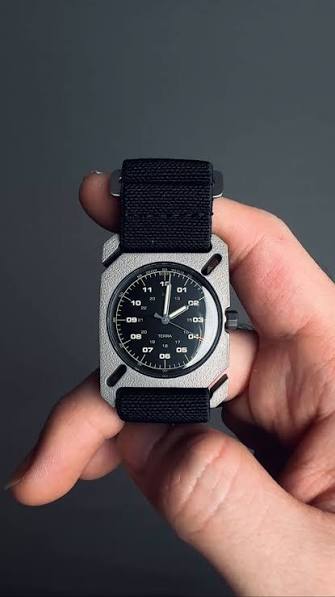
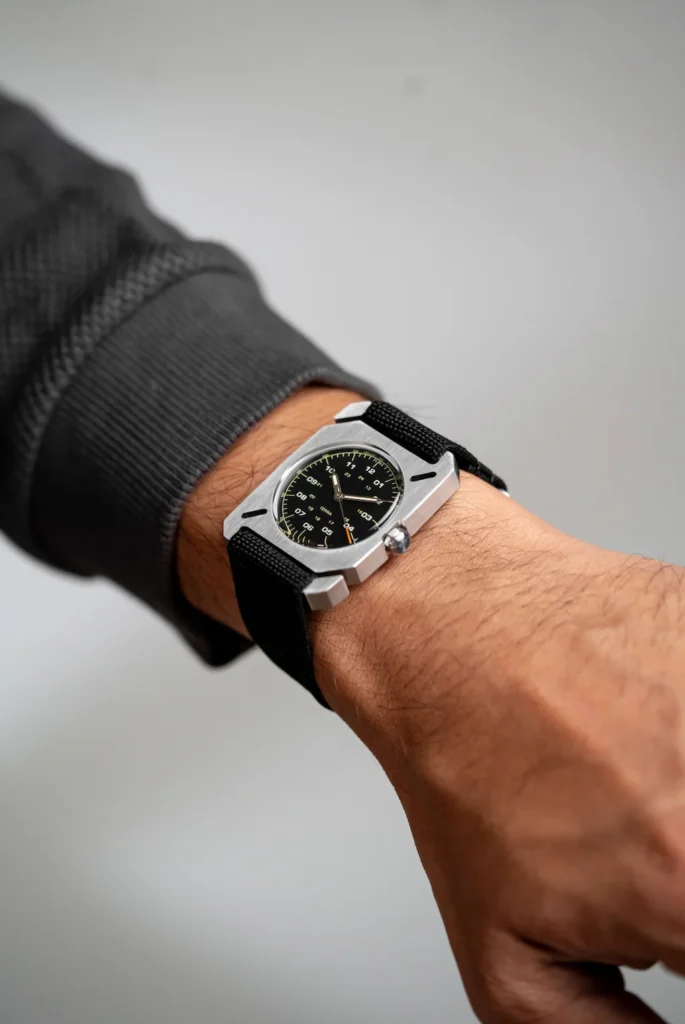
Then there’s Delhi Watch Company, whose Terra in titanium costs ₹4,499, about $42. I watched a YouTube video featuring an American watch channel, Teddy Baldassarre, who ran a video of a reviewer buying one to see whether the buzz was real. It reportedly crossed 600,000 views, and early units appeared on Chrono24 at well above retail. A young Indian brand, a watch priced like decent sneakers, and an audience that has spent decades arguing over Swiss movements.
The honest bit
“Indian brand” and “Made in India” aren’t the same thing. A company can be Indian-owned and design-led while relying on overseas suppliers, and a watch can be assembled here while most of its parts come from elsewhere. Many of these watches run on moveme
nts from Japan, Switzerland or China, because India doesn’t yet have the supply chain.
Even Titan’s watch chief says the luxury moment is near, but capability has to catch up. Titan’s Vetra, an automatic movement made in Hosur, is a step in that direction.
I’m fine with that. Every watch industry starts somewhere. But if India is going to build a serious one, it’s worth asking what we’re celebrating. Are we designing the product? Engineering the movement? Manufacturing the parts? Or simply building the brand? They’re different achievements, and there’s room for all of them.
The trap is getting literal. Putting “India” on the dial doesn’t make a watch Indian, and neither does a tiger, a peacock, a monument or the tricolour. The better opportunity is subtler: shapes, colours and references drawn from railways, cinema, textiles, classical instruments and monsoon skies that feel Indian without announcing themselves.
So, would anyone notice?
This season, in a room of Rolexes and Omegas, would anyone notice an Indian watch? Would anyone ask about it?
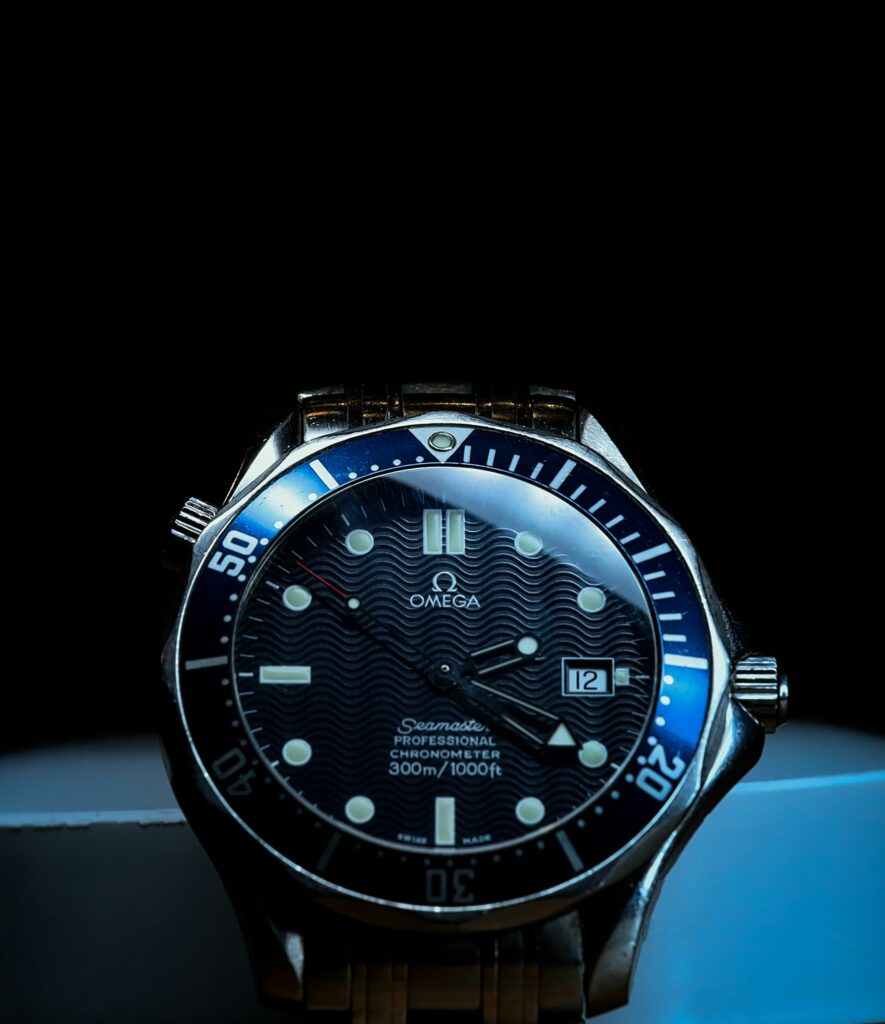
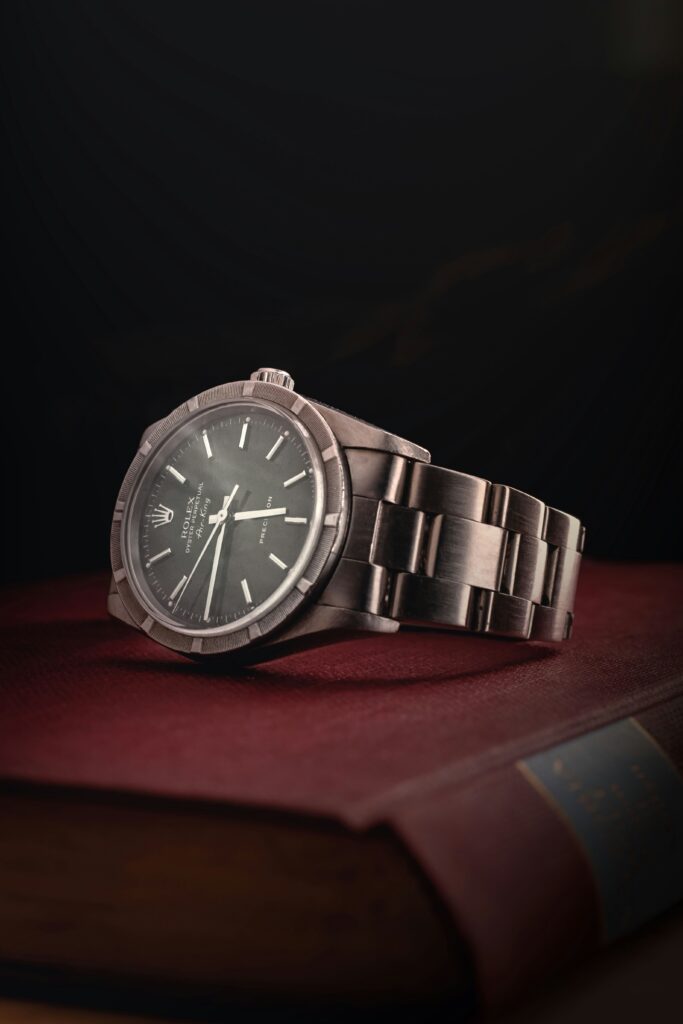
I’m not saying swap the Patek for something from Jaipur. But a watch with a real story from here tells people something no Swiss dial can. It needs to mean more than the country printed on the box: a look, a story you can tell in one breath, something good enough that a stranger at a wedding in London or Singapore asks where you got it.
I think we’re still at the beginning, and there’s no single answer. There’s room for the affordable smartwatch, the serious fitness tracker, the mechanical enthusiast, and the person who wants all of these at different times.
I’ll keep the Garmin for swimming and cycling. But dinner doesn’t need GPS, a meeting doesn’t need my step count, and sometimes I’d rather not be told I slept badly. I want a watch in the drawer that doesn’t track anything. One for the everyday occasion.
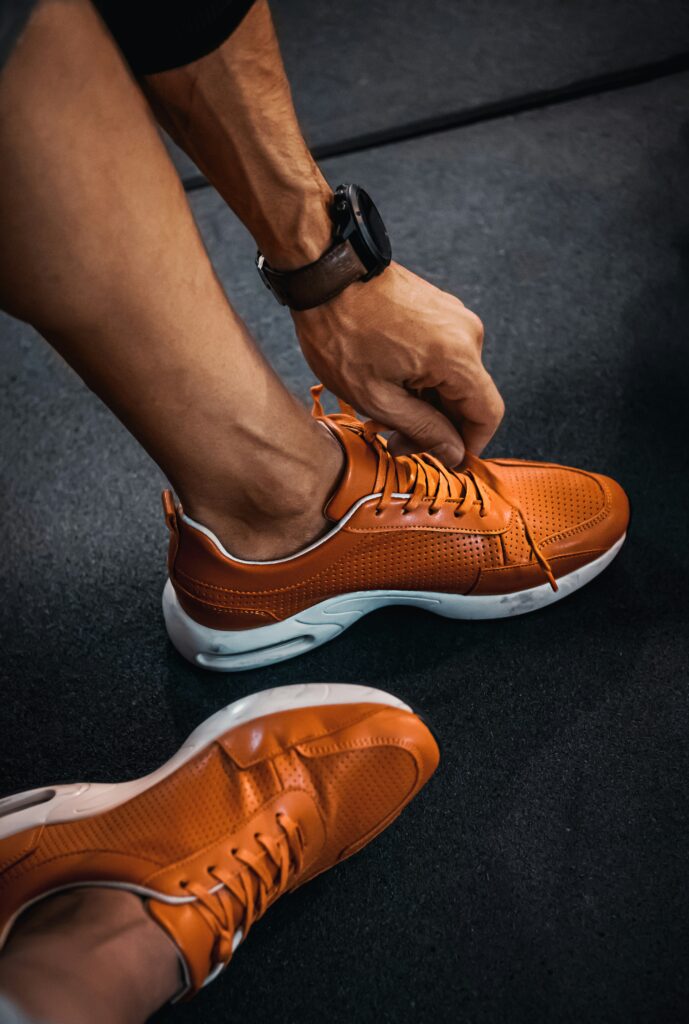
Indian time, with an Indian story behind it.
For years, the wrist was where India’s aspiration was expressed by wearing someone else’s name. Maybe this wedding season is a good time to ask who else could be on it, like the couturier on people and the long line of Indian designers reaching for your hard-earned money on the big day in your life.
#affordable watches#ajwain watches#argos watches#bangalore watch company#Consul General in Bengaluru#delhi watch company#garmin#geneva watch days#hmt#horology#independent watchmakers#indian watch brands#indian watches#ist 1947#jaipur watch company#luxury watches india#made in india#smartwatch#titan#watch culture#wedding season