An Animal Sanctuary in Chennai That Survived Against All Odds
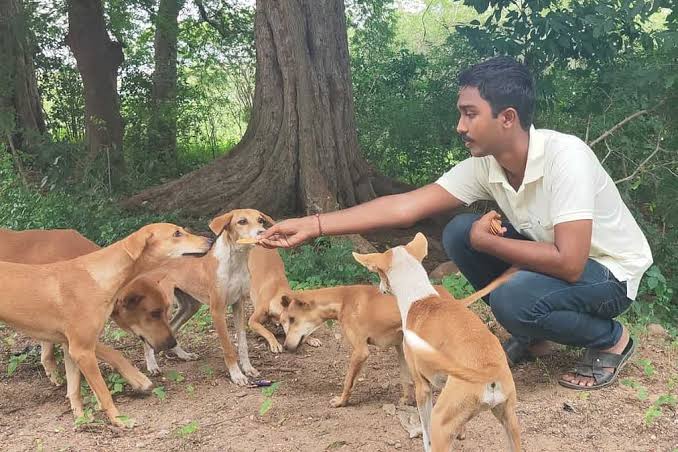
The Almighty Animal Sanctuary in Thiruvallur shelters over 600 rescued animals while fighting illegal trafficking and is changing how society views animal welfare.
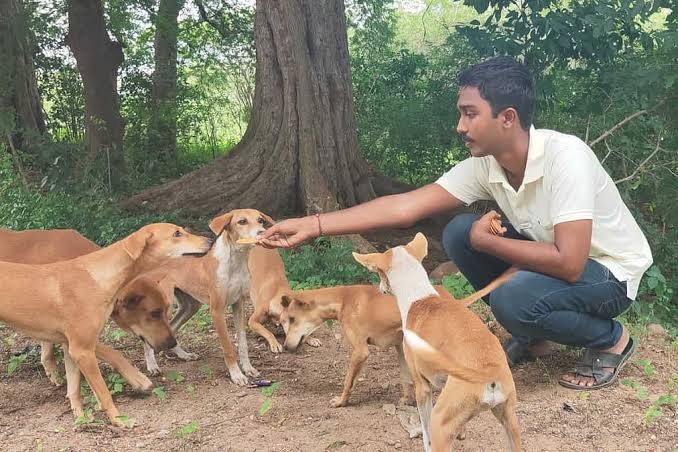
In December 2015, as torrential rain battered Chennai causing floods, M Sai Vignesh heard the cries of two puppies struggling in the rising water. He rushed to their rescue, brought them home and shared their plight on social media, hoping to find help for the animals.
What followed was far more than he had anticipated. Instead of receiving responses only about the two puppies, he began getting calls about other animals in distress.
Soon, he had more than 20 dogs at home, and caring for so many animals in one place became increasingly difficult.
Vignesh was just 15 at the time, but his concern for animals had begun much earlier. His family had a dog when he was a child, but the animal died when he was five. His parents, reluctant to experience the same heartbreak again, did not want another dog. However, they and his grandfather encouraged him to feed the dogs on the street, a practice he began when he was seven.
The experience of rescuing the two puppies during the floods eventually led him to consider a more organised approach to animal welfare. If he could establish a shelter, he reasoned, he would be able to rescue more animals and provide them with a safe place to live.
In 2018, with land donated to him by an acquaintance, Vignesh began working towards that goal. He did not have the funds or a clear idea of how to establish a shelter. He eventually sold his ancestral home and used the proceeds to start one in 2019, when he was just 18. Initially intended as a shelter for dogs, the initiative would soon grow into something much larger.
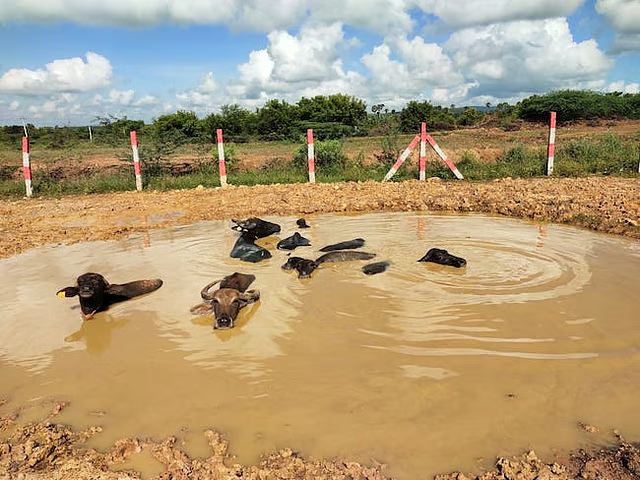
Today, Almighty Animal Sanctuary in Thiruvallur in Tamil Nadu is home to more than 600 animals, including dogs, cattle, goats, buffaloes and pigs. Many have been rescued from illegal slaughter, trafficking and road accidents. For Vignesh, however, the work is not simply about bringing animals out of dangerous situations. It is also about challenging the attitudes and practices that leave them vulnerable in the first place.
A disturbing incident in 2020 changed the direction of his work. While travelling, Vignesh witnessed a man cutting open a cow’s stomach on the roadside. Shocked by what he saw, he filed a case despite the threats he received.
The incident made him reflect on the difference in the way society responds to different animals. While some people are willing to show compassion towards dogs and cats, he believes that cows, goats, buffaloes and pigs are often treated merely as commodities.
He began rescuing these animals from illegal slaughter and trafficking, as well as from road accidents and other situations in which they were at risk. The dog shelter gradually evolved into a sanctuary for multiple species.
The work, however, has brought considerable danger. Vignesh says animals are trafficked across state borders in horrific conditions, with some subjected to extreme cruelty, including green chillies being inserted into their eyes. His efforts to intervene have exposed him to threats and several attempts on his life, eventually making police protection necessary.
Despite these experiences, he remains determined to continue. For him, the resistance is part of confronting a system that allows cruelty and illegal trafficking to persist.
One rescue during the COVID-19 pandemic remains particularly close to his heart. Vignesh received information that a cow was being taken to a slaughter shed for illegal slaughter. He informed the police and went to the location, but the animal was nowhere to be found. After searching the area for more than 30 minutes, the team was preparing to leave when they heard a cow calling out.
They returned to investigate and discovered that the animal had been concealed in a pit and covered with bushes. The team rescued the cow and brought her to the sanctuary. A month later, she gave birth.
The experience reinforced Vignesh’s belief that animals are not voiceless, as they are often described. Rather, he says, they communicate in ways that humans may not understand. Their voices, he believes, can convey more than words can express.
Behind every rescue is the continuing responsibility of feeding, sheltering and caring for hundreds of animals. For Vignesh, finances remain the biggest challenge in keeping the sanctuary running.
The monthly cost of operating the facility is approximately ₹20 lakh. Even with regular donations and his income as a freelance developer, he says he is able to raise only around ₹13 lakh to ₹14 lakh, leaving a monthly shortfall of about ₹6 lakh. The accumulated financial burden has reached approximately ₹50 lakh.
The deficit continues to grow, making it difficult to plan for the future and expand the sanctuary’s work. Yet the need for intervention remains pressing, particularly when large animals are injured in road accidents.
Vignesh points out that injured cattle and other large animals are often left without assistance. Instead of arranging rescue and treatment, some people may seek to take them away for slaughter. He wants to build a stronger support system for the sanctuary so that it can respond to more such cases and provide reliable care to the animals already under its protection.
For an initiative that depends on resources every single day, compassion alone cannot pay for food, treatment and shelter. Sustaining the work requires consistent financial support, along with people willing to recognise animal welfare as a shared responsibility.
Vignesh’s work has also taken him into the realm of legal intervention and law enforcement. His experience has convinced him that rescuing animals from immediate danger is only one part of the challenge. Unless the systems that enable cruelty and trafficking are addressed, the cycle will continue.
He believes that the penalties for animal cruelty need to be increased. Referring to the Prevention of Cruelty to Animals Act, he says the maximum penalty for offences under the law is currently ₹50 and argues that the long-pending amendments to strengthen animal cruelty laws must be passed.
He also sees a significant gap in awareness and enforcement. Laws, he says, can make a difference only when those responsible for implementing them understand their importance and act accordingly.
This is why Almighty Animal Sanctuary also conducts animal-law sensitisation programmes for police personnel, including trainees, deputy superintendents of police and personnel from different police departments. The initiative also conducts sessions on animal rights for school and college students.
These programmes are held across Tamil Nadu and in other cities, including Bengaluru. For Vignesh, public awareness is an essential part of animal protection because people are more likely to respond responsibly when they understand the laws and the reasons behind them.
After years of working with rescued animals and confronting cruelty, Vignesh has developed a clear view of what he believes society owes them. He does not insist that everyone must become an animal rescuer or devote themselves to animal welfare. Instead, he argues that the first responsibility is simply to refrain from causing harm.
“Helping is a choice and not harming is an obligation,” he says, describing what he considers a basic responsibility towards all living beings.
For Vignesh, the first step towards a more compassionate society may not be that everyone learns to rescue an animal. It may simply be that fewer people choose to harm one.
For details, reach out to Almighty Animal Sanctuary @8939320846