The Adoption Revolution: How Technology is Giving Older Children a Second Chance
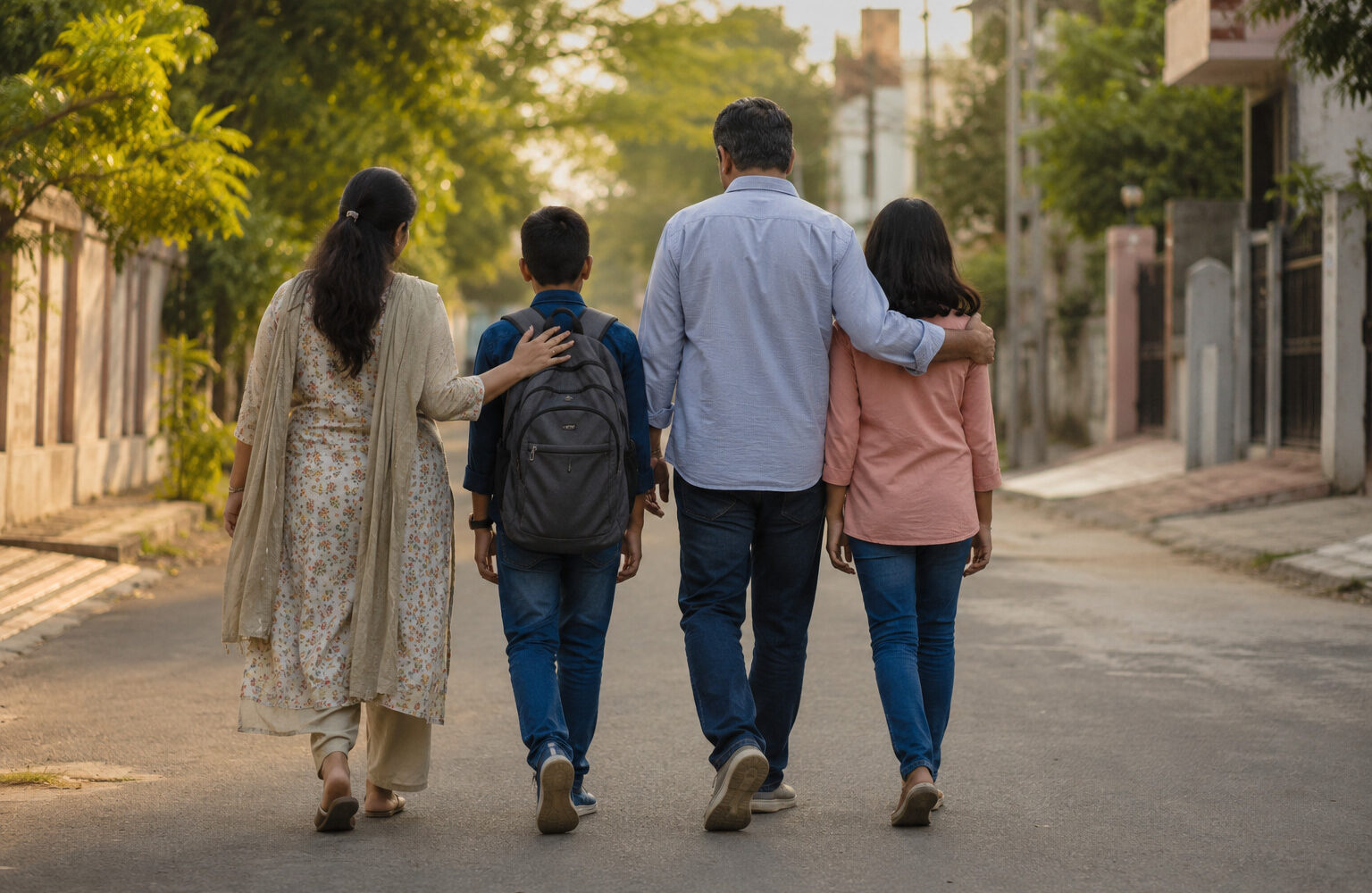
When people think of adoption, they often picture infants, overlooking the older children who long for families just as deeply. Now, technology is bridging this gap, matching these children with eager adoptive parents, writes Meera Marthi from Hyderabad.
Protima Sharma, Smriti Gupta and I worked as adoption counsellors with an NGO called Families of Joy. Each week, we met prospective adoptive parents, guiding them through the process, helping them understand what life after adoption would look like, and preparing them for the arrival of a child. Almost every counselling session ended with the same question: Why does adoption take so long?
Families were waiting nearly two years to adopt a young child. Yet there were reports that spoke of lakhs of children living in child care institutions across India. A government committee had estimated that thousands of institutions housed children who could potentially be evaluated for adoption. The contradiction troubled us. If there were so many children in institutions and so many families waiting to adopt, why weren’t they finding each other?
That question eventually became the name of our organisation: Where Are India’s Children? We began with a digital campaign in 2018. More than 1,200 people volunteered to write to government authorities asking them to identify children who could be evaluated for adoption. The response showed us that people cared deeply about the issue. But awareness alone was never going to solve the problem. We realised we had to move beyond asking questions and become part of the solution ourselves. That was how WAIC was born.
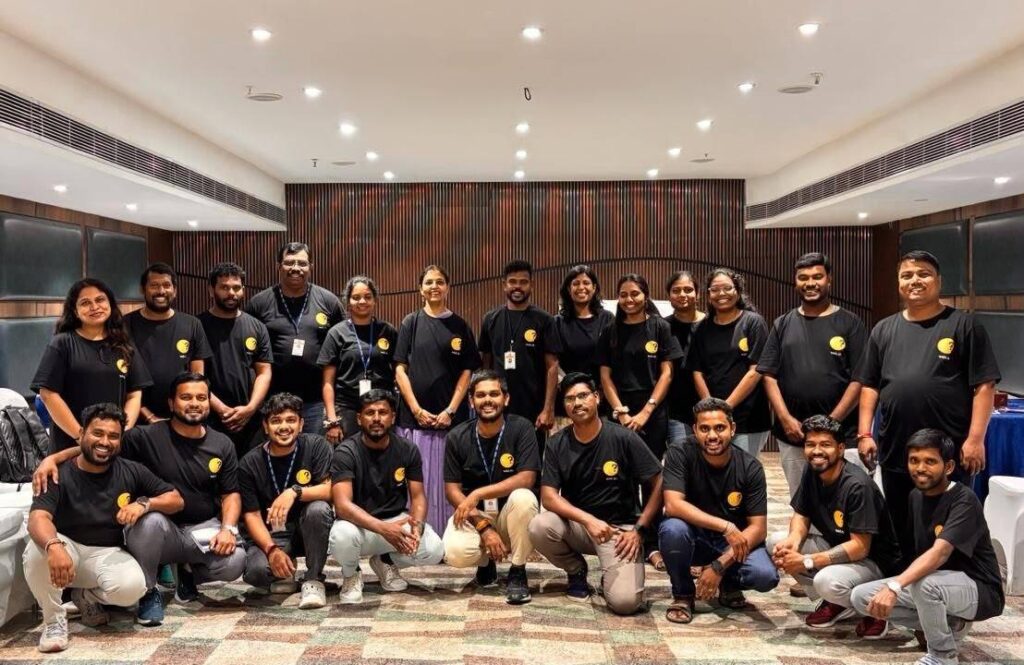
The team— Where are India’s Children.
As we started studying the system more closely, a clear pattern emerged again and again. The younger children somehow find their way into the adoption pool. The children who are left behind are mostly the older ones. Our focus has always been to ensure that every legally eligible child gets an opportunity to find a family, however small that opportunity may be.
Every child living in a shelter is not legally eligible for adoption. India’s child care institutions are home to children whose parents are alive but unable to care for them, children whose families have temporarily placed them there because of migration or poverty, children with guardians who have not relinquished their rights, and children who have been orphaned, abandoned or surrendered. Under the law, only the last three categories can be declared legally free for adoption after a detailed process of verification and due diligence.
The problem is that many eligible children never even enter that process. As we worked with district authorities and shelters, it became increasingly clear that the biggest challenge was not the legal framework. The biggest barrier is not the law. It is the mindset. People assume older children are difficult to adopt, that they won’t adjust, and that because they already have food, shelter and schooling, they don’t need a family. But a shelter is never a substitute for a family.
That mindset exists across society and, unfortunately, sometimes within the child protection system itself. There is an assumption that because an older child is unlikely to be adopted, there is little urgency in evaluating that child’s case. Files remain untouched for months. Procedures that should be completed within a few months take a year. Adoption is often the lowest priority for many stakeholders. Yet the law is very clear. Every legally eligible child should be evaluated for adoption and brought into the adoption pool.
People often ask me why this matters so much if children are receiving food, education and shelter in institutions. The answer is simple. After the age of 18, many children leave institutions with no family, no guidance and very little support. We cannot assume that providing shelter during childhood is enough for life.
We knew that solving this problem manually was never going to be enough. A chance conversation with our advisor and a family member made us rethink the problem and the solution. We decided to use technology to strengthen the system itself. We developed the Child Lifecycle Management Solution, a digital platform that records every child in an institution and uses a rule-based algorithm to identify those who may be legally eligible for adoption. We present the eligible children before the Child Welfare Committee(CWC) of the district, and based on their evaluation, the District Child Protection Unit(DCPU) works on the due diligence and the process to ensure these children reach the legal adoption pool.
Today, WAIC works closely with governments in Telangana, Maharashtra and Karnataka. In Maharashtra, our team on the ground does the paperwork and the due diligence by taking the approval of the CWC and the DCPU, whereas in Karnataka and Telangana, our team monitors and tracks the timelines of the process through our tech solution and works with the CWC and the DCPU to ensure the children reach the legal adoption pool. Technology became the game changer. The USP of the tech solution is that while making every child living in the CCI’s visible to the authorities, it provides a subset of the children who are eligible for adoption evaluation to the authorities, thus saving a lot of time and effort in manual scrutiny of thousands of files.
We train district officials, support child welfare committees, assist with adoption evaluations and work alongside the authorities responsible for child protection. Over the years, we have also seen attitudes begin to change – when officials witness older children actually finding families, they begin to believe that adoption is possible beyond infancy. We still have a long way to go, but it is a start.
But helping a child find a family is only one part of the journey. Helping that family stay together is equally important.
One of the most difficult conversations I have is about adoption disruptions. There is a common assumption that if an older child returns to institutional care, the child must have been difficult. My experience tells me otherwise. When families adopt an older child, preparation is essential. Too often, parents are eager to bring a child home but are not prepared for the child’s past, trauma, or adjustment needs.
Many parents hope that love alone will erase years of loss and uncertainty. They expect a near-perfect child who will immediately fit into the family. But if you adopt a 13-year-old, that child comes with experiences, trauma and memories. You have to accept the whole child.
The child may be academically behind. The child may miss friends from the institution. The child may continue talking about the past. None of these things means the adoption has failed. It simply means the child is adjusting to an entirely new life.
Parents forget that while they are returning to familiar surroundings, the child is being uprooted from the only home they have known. They need time, patience and understanding to adjust.
Recognising this, we have expanded our work beyond identifying children who are eligible for adoption. We are now investing in preparing both parents and children for the transition. Our team has been trained to help children understand family life through play, drawing, and age-appropriate conversations, while also counselling parents about trauma, attachment, and realistic expectations. Adoption is not just a legal process. It is a lifelong relationship that requires preparation on both sides.
If there is one thing I have learnt over the years, it is that we still have a great deal to understand about childhood itself. I honestly believe that about 85 per cent of adoption disruptions happen because parents are not prepared. In India, we still struggle to respect children as individuals rather than treating them like property.
That is why the consequences of a disrupted adoption weigh so heavily on me. When a child is returned after adoption, the consequences fall almost entirely on the child. Imagine the trauma of being rejected more than once in your life. That stays with a child forever.
Every child who enters the adoption system carries a story that began long before they met their new family. Some stories are marked by abandonment, some by loss, others by years of waiting. None of them should end in an institution simply because we believed they were too old to belong.
People often ask me why I chose to work in adoption, and more specifically, why I chose to focus on older children. The truth is, I didn’t set out to champion older child adoption. I simply couldn’t ignore a question that refused to go away.
This work has never been about increasing adoption numbers or improving statistics. It has always been about changing the way we see children. Every child who is eligible for adoption deserves the opportunity to reach a family. That is the mission we began with, and it continues to guide everything we do at WAIC.
” The journey has not been without its challenges after adopting them, but we made a commitment and have embraced it wholeheartedly. It is about building trust. You do that with love, patience and a gentle voice.”
—Venkatesh and Vasavi, who adopted two brothers
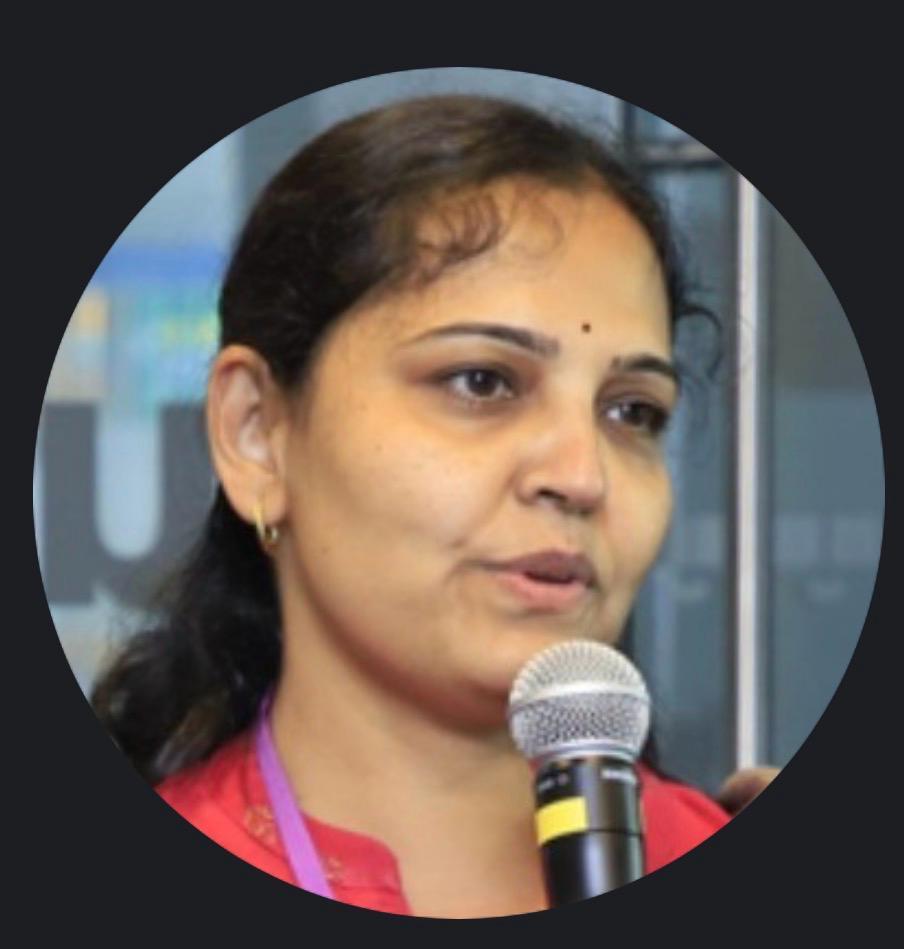
Meera Marthi is Co-founder, Where are India’s Children
“