Why Climate Change Is Quietly Damaging Our Mental Health
Rising temperatures, polluted air, crowded cities and the constant pull of social media may all influence our mental wellbeing. They are actively reshaping our brains, stress responses, and mental wellbeing, says Dr Vivek Benegal, former Head of Department, Psychiatry, NIMHANS, in an interview with Janani Sampath.
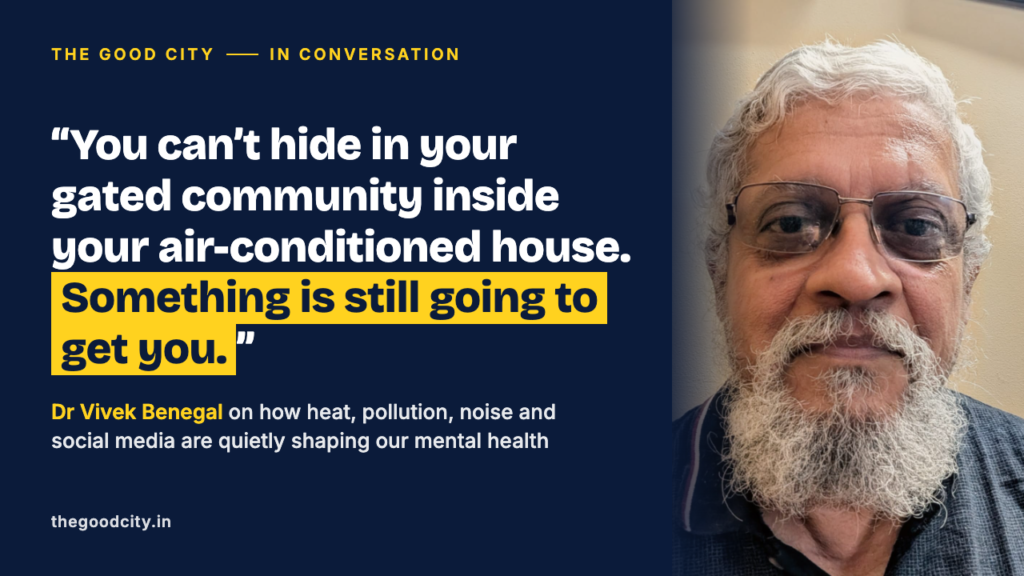
Dr Benegal, who serves as a commissioner on the Nature Mental Health Earth–Brain–Health Commission, emphasises that protecting mental health requires paying close attention to the local environments we build and inhabit across Indian cities. “You can’t hide in your gated community inside your air-conditioned house,” warns Dr Benegal. “Something is still going to get you.”
The Commission has synthesised global and regional research on how environmental change affects psychological health. According to its report published in October 2026, environmental factors—including severe heatwaves, air and noise pollution, extreme weather events, rapid urbanisation, and the loss of green and blue spaces—are strongly associated with increased risks of depression, anxiety, cognitive decline, and other psychiatric disorders.
Dr Benegal draws a crucial distinction between sudden disasters and what he terms “chronic climate change, creeping climate change.” While an acute disaster creates an immediate emergency, slow environmental decline produces a lingering sense of uncertainty—something urban residents must live with for months or years, impacting those with fewer resources most severely.

Biological Impact and Brain Development
Researchers are still working out exactly how these effects occur. But the links are important enough to take seriously throughout life. Stress can trigger inflammatory processes in the body that may affect the brain. Researchers are also studying microglia—specialised brain cells that respond to changes in their environment and can influence how brain networks are reshaped.
“Parts of the brain are being reshaped, and that reshapes the brain networks which underlie our psychological abilities to deal with our day-to-day challenges,” says Dr Benegal.
This means environmental stress cannot always be understood simply by asking how someone feels at a given moment. Depending on the exposure and a person’s circumstances, the biological processes involved may also affect how the brain responds to future challenges.
Children deserve special attention because their brains are still developing. Their surroundings, social conditions and repeated exposure to stress can all shape that development and their ability to cope. That makes prevention and early support especially important.
Environmental Pressures and Urban Realities
In India, the issue feels particularly urgent. Air pollution, rising temperatures, rapid urbanisation and unequal access to resources mean environmental pressures do not affect every community equally. Dr Benegal believes extreme heat deserves far more public attention. “We are underestimating the impact. Nobody even talks about this,” he says of its mental health effects.
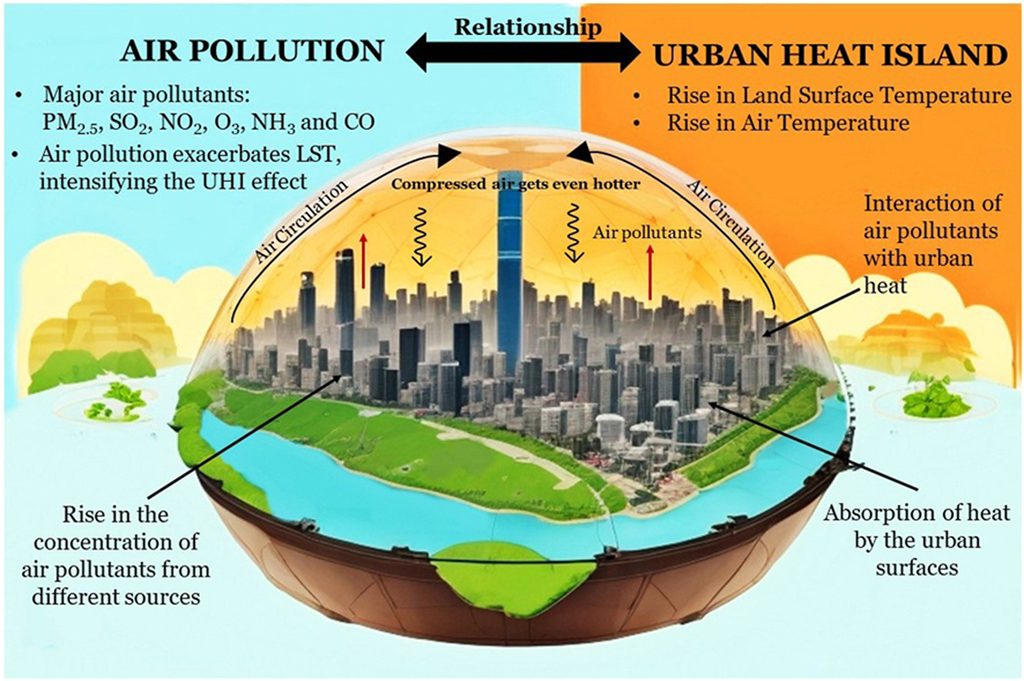
Different pressures can also overlap and intensify one another. People with limited options may be less able to find cooler housing, avoid heat or recover after an environmental disruption.
That has consequences for cities such as Bengaluru. Green spaces, housing quality, noise levels and access to cooler areas are not just matters of comfort; they should also be part of planning healthier communities. The commission points to cleaner air, ways to reduce heat and noise, safe housing, and access to green and blue spaces as possible ways to support mental health. But the evidence is still evolving. More research is needed to understand which measures work, who benefits and under what conditions.
The Digital Environment and Social Media
Our surroundings are not only physical. They are social too and increasingly digital. Dr Benegal says social media can amplify the emotional impact of events. What once might have affected a small community can now reach millions within moments, spreading fear, anger and distress far beyond where it began.
He describes social media as a “convex lens” that can focus and magnify emotion. “We now have the ability to enlarge the stress signatures in very brief periods of time to a whole group of people,” he says.
Digital platforms can be useful, helping people share information and find support, especially during emergencies. But repeated exposure to distressing images, hostile interactions and emotionally charged posts can add to stress. For young people, whose brains are still developing, it is important to pay close attention to how direct experiences and online exposure to distress interact.
The Role of Schools and Supportive Environments
Schools show how much the social environment matters. Dr Benegal stresses the protective value of supportive schools and meaningful contact between children and teachers. He believes one-to-one teaching with a person can offer more protection than relying mainly on a laptop or tablet. Learning is not just about passing on information: it also depends on relationships, social interaction and emotional security. Technology can support these, but it cannot automatically replace them.
While difficult environmental conditions may increase vulnerability, supportive relationships and everyday surroundings can help protect wellbeing. Dr Benegal points to good nutrition, caring parenting, social connection, opportunities for play and access to green spaces as important sources of support.
A child with nutritious food, safe places to play, caring adults and time with peers has advantages that may be unavailable to a child growing up amid overcrowding, pollution and financial insecurity. That difference is not simply a matter of personal choice. It reflects the social and economic conditions that shape daily life.
Dr Benegal calls a supportive school environment “a very great mitigating force.” Schools can provide structure, connection and a sense of belonging. Play and time with others can help children develop skills for handling challenges. These supports cannot guarantee that a child wont ever experience mental health difficulties, and they do not replace professional care when it is needed. But they show why prevention matters and why it is better to create conditions that support wellbeing before problems become severe.
Policy, Equity, and Collective Action
The commission calls for mental health to be included in climate, environmental, urban and disaster policies. It also urges greater attention to children, older adults, displaced people and communities with fewer economic resources. These groups may face greater environmental risks while having fewer ways to adapt.
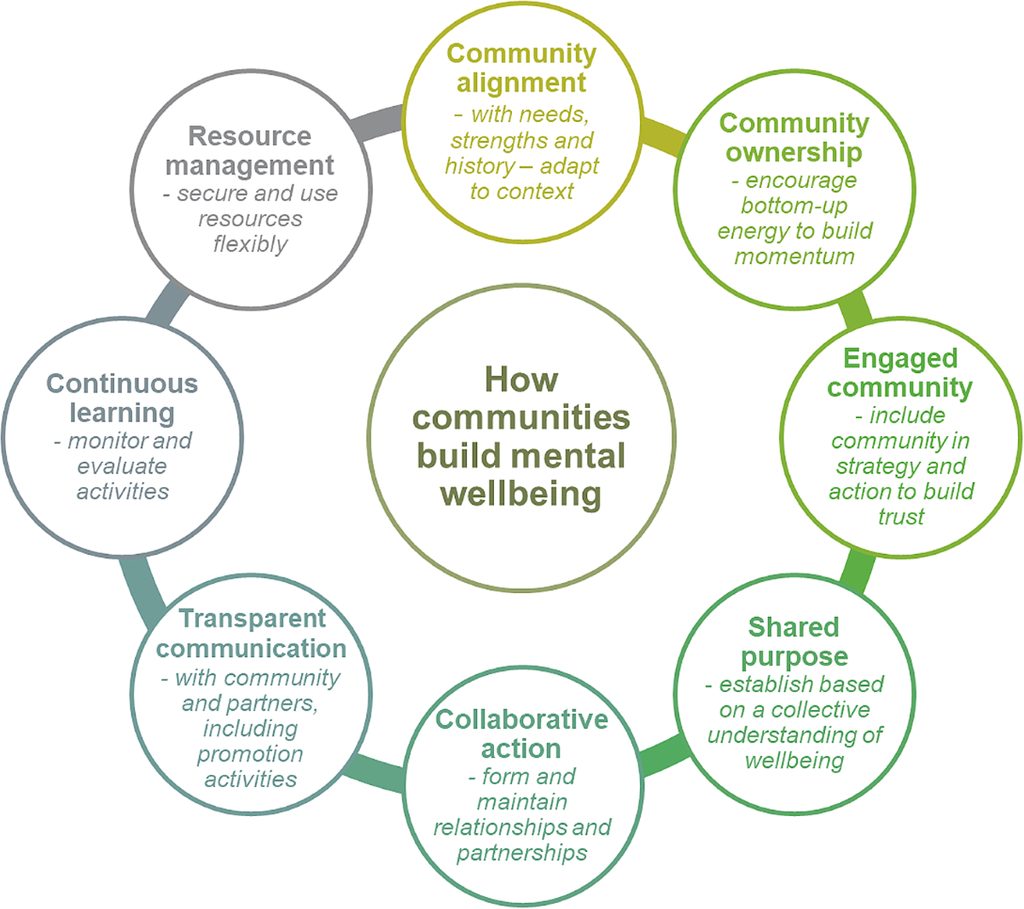
Protecting mental health is not the responsibility of healthcare services alone. Individuals can seek help and build supportive relationships, but they cannot clean the air, lower city temperatures or ensure every child has a safe school. Housing, transport, pollution control, water management, school design and access to public spaces all help shape the conditions in which people live and grow. Addressing these risks requires public health experts, urban planners, environmental specialists, educators and policymakers to work together.
It also means recognising that environmental change affects people unequally. Someone who can move house or afford private healthcare may be better able to handle a crisis than someone whose livelihood depends on the weather or who has little choice about where to live. Even so, no one is entirely insulated from the broader effects of environmental change. Addressing these systemic environmental risks is essential to safeguarding the mental resilience of our communities.
Links to Dr Benegal – https://cam.nimhans.ac.in/research/
https://www.skanrt.in/dr-vivek-benegal
https://www.instagram.com/vbenegal
Janani Sampath is a writer based in Chennai.