The EV Godfather & The Car That Started It All: Revisiting 25 Years of the Reva
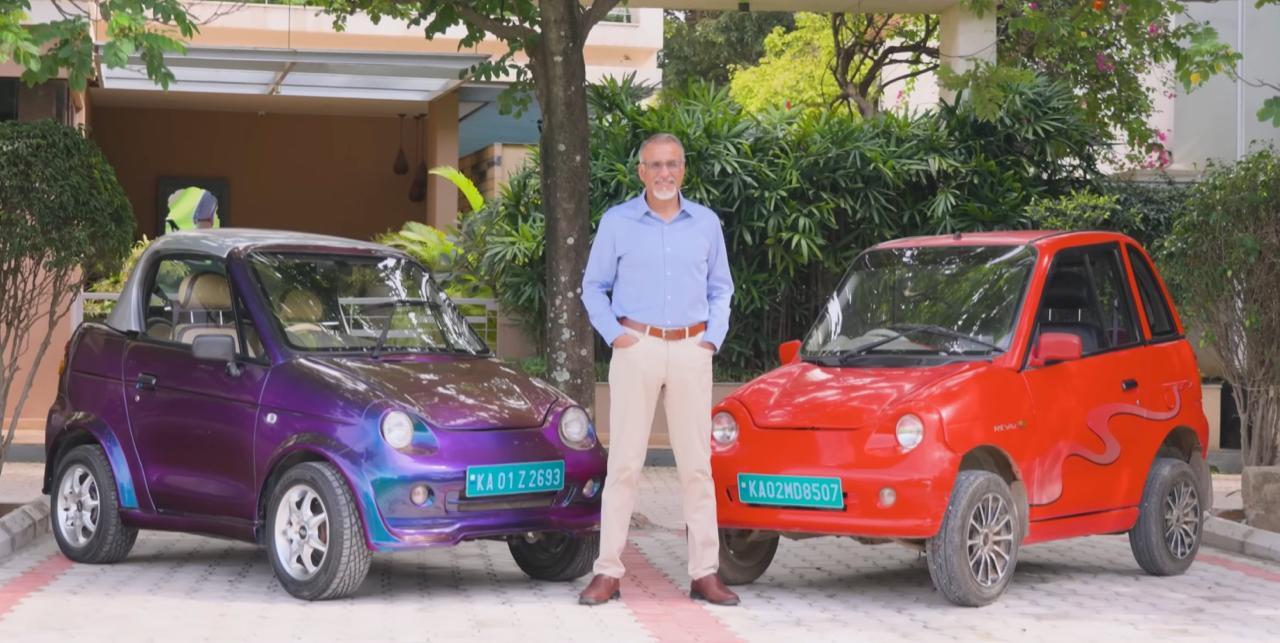
If you think electric vehicles in India are just a recent trend, you haven’t met the Reva EV : proudly Made in Bengaluru – The Home of Indian Innovation.
On a warm evening, a room full of dreamers, engineers, and long-time fans gathered to celebrate a quiet but monumental milestone: 25 years of India’s first commercial electric vehicle. The atmosphere wasn’t just a corporate retrospective—it was a reunion of the pioneers who turned an “impossible” idea into the spark that ignited a revolution.
The man of the hour: Chetan Maini, the visionary “EV Godfather of India.”
Engaging him in a fireside chat was Sandhya Mendonca—founder and chief editor of Raintree Media and the co-author of the book ‘Reva EV – India’s green gift to the world’ (Random House). As they reflected on the journey, it felt as though the past and the future were colliding in the best possible way.
From “Naysayers” to “Design Challenges”
Let’s rewind to the late 90s. Bengaluru. Before “EV” was a buzzword, Chetan was out there building cars in a landscape where the only thing in abundance was skepticism. As Chetan shared, “In India, there were probably more naysayers.”
Back then, the industry focus was entirely on services, not products. But here was the turning point: instead of letting the “it’ll never work” crowd get to him, Chetan used a mindset he learned from his father, Dr. Sudarshan Maini—treat every criticism as an area of opportunity.
- “You can’t charge it?” That became a design challenge.
- “It won’t work in India?” That became a quest to innovate daily.
It was a masterclass in turning bad feedback into the very building blocks of the future.
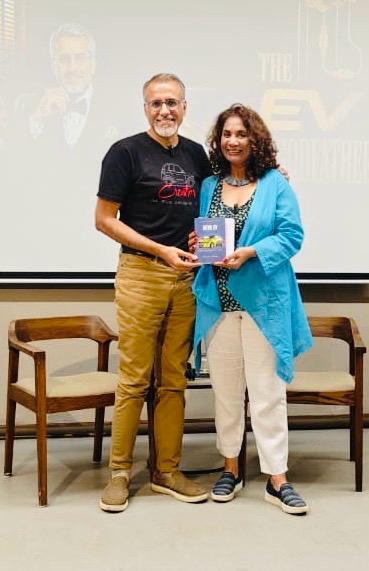
Chetan Maini with Sandhya Mendonca.
The “Reva DNA” (The Tech You Probably Didn’t Know)
If you look at the EVs on the road today—whether it’s a high-end luxury car or a daily commuter—you’ll spot the “Reva DNA.” Chetan and his team were experimenting with tech back in 2004 that the industry is only now calling “cutting edge.”
We’re talking telematics, integrated charging, and online sales models that were running in London while most people were still figuring out dial-up internet. As the team looked back, it was clear that they weren’t just building a car; they were creating a blueprint that the world is only now catching up to.From “Car Guy” to Ecosystem Enabler
The transition of the Reva into the Mahindra fold in 2010 was famously described by Chetan’s father as “giving your daughter in marriage.” It was a pivotal moment, but Chetan didn’t stop there.
He realised that if electric mobility was going to succeed, he had to stop being just a “car guy” and start being an “ecosystem enabler.” Enter Sun Mobility. By separating the battery from the car, Chetan solved the three biggest headaches of the EV world: upfront cost, range anxiety, and charging time. It turned competitors into partners, making green energy the standard, not the exception.The Legacy
As the event wrapped up, the mood was optimistic. The “Reva kids”—the engineers and early team members who started with that first small car—are now leaders across the industry, building everything from new EV platforms to rockets.
For the next generation of engineers looking to change the world, the takeaway is simple: keep building. As the 25-year journey of the Reva proves, the biggest “impossible” problems are usually just the best opportunities in disguise.
Twenty-five years later, the Reva isn’t just a piece of history; it’s the blueprint. And as Chetan noted, his father would have been incredibly proud—not just of the car, but of the community that kept the spirit of innovation alive.