Transforming Spaces with Adaptive Acoustics
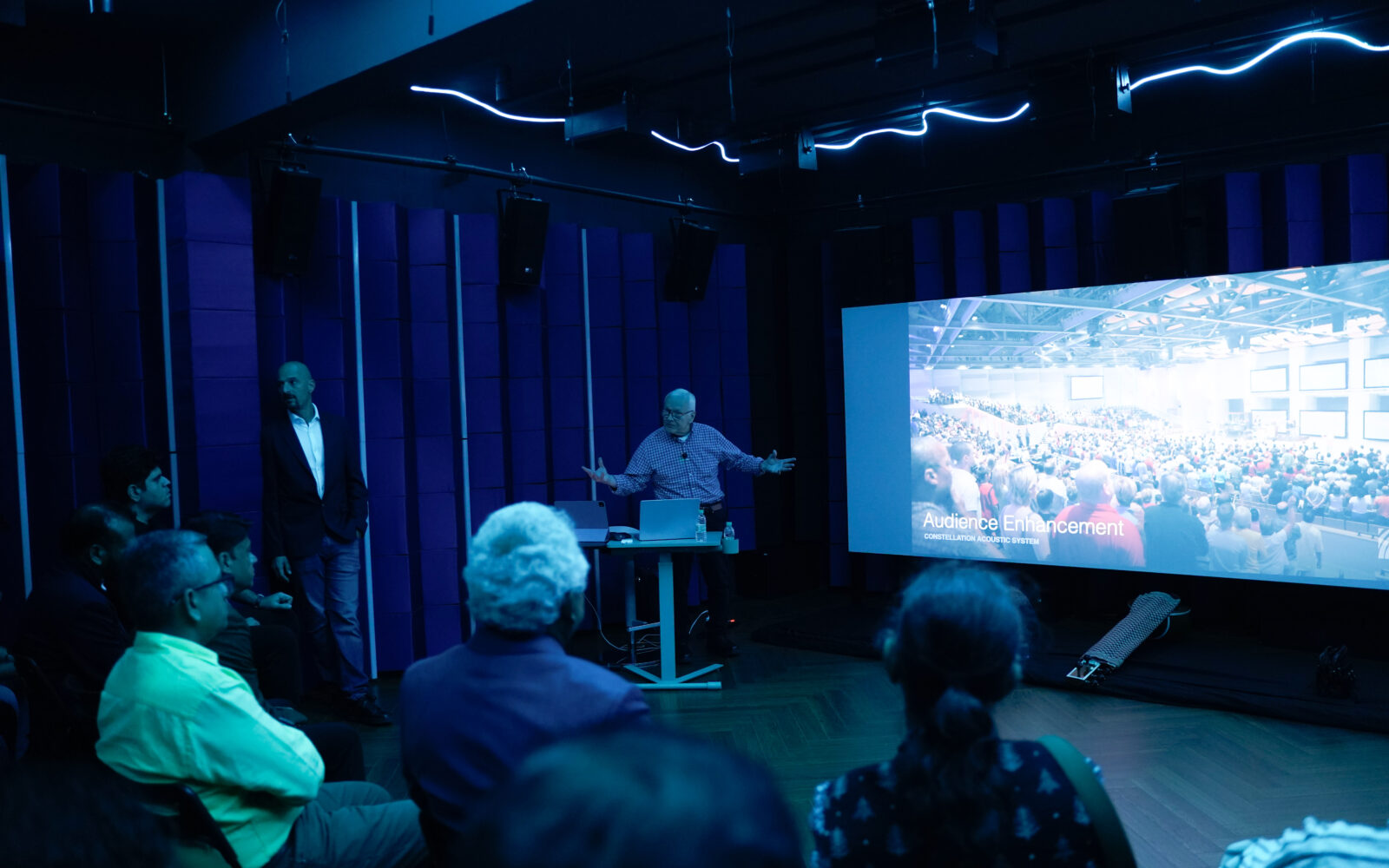
What if the sound you hear adapts to the personality of the room? Aditya Mendonca experiences the marvels of adaptive acoustics.
At a recent event at Qubix, the centrepiece of the showcase was Meyer Sound’s Constellation acoustic system, built around a simple but extraordinary idea: what if a room did not have to sound like only one room?
We are accustomed to accepting the natural limitations of architecture. A small room sounds intimate. A concert hall sounds expansive. A conference space sounds functional. The physical boundaries define the acoustic experience.
But during the demonstration, those boundaries appeared to disappear.
As the system was calibrated, the room seemed to transform its personality. One moment, the atmosphere felt intimate and focused, like a private listening space. The next, it expanded into something resembling the vast resonance of a cathedral. The walls remained unchanged, but the emotional experience of the space shifted completely.
It was a reminder that sound is not just something we hear—it is something we feel. The right acoustic environment can influence how we connect with music, how we communicate, and how we experience a moment. A concert performance, a speech, a cultural gathering, or even a conversation all demand different relationships between sound and space.
Designing Spaces That Adapt
Across India, premium venues are increasingly looking beyond fixed acoustic designs. Performing arts centres, luxury hotels, cultural venues, auditoriums, and corporate spaces now require environments that can adapt instantly to different experiences.
A single venue may host a classical Indian music performance one evening, a Western symphony the next, and a corporate presentation after that. Each requires a different acoustic character—different levels of reverberation, clarity, warmth, and intimacy.
Technologies such as Constellation represent a shift in how spaces are designed: not as static structures with one acoustic identity, but as dynamic environments capable of responding to the purpose of the moment.
The future of premium venues may not simply be about building larger halls or more sophisticated interiors. It may be about creating spaces that understand what people need to feel, listen, and connect.
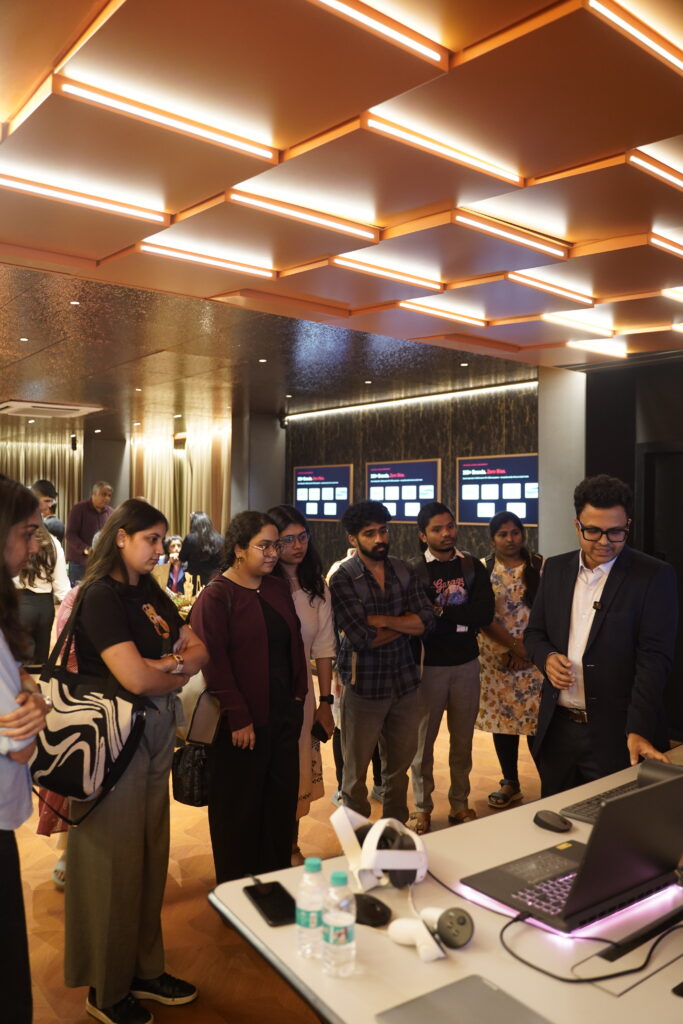
The Audiophile’s Museum
There is something deeply human about this pursuit. As cities become denser, noisier, and more digitally connected, there is a growing desire to reclaim meaningful sensory experiences.
Inside Qubix Labs, that passion is visible everywhere. The space brings together the heritage of high-fidelity listening with the possibilities of modern acoustic innovation—vintage-inspired sculptural horns, precision engineering, iconic amplifiers, and technologies that redefine what a room can become.
It feels like a museum for audiophiles—not a place frozen in the past, but one where the history of listening meets the future of sound.
It is a destination for creators, musicians, architects, and enthusiasts who understand that sound is not merely background. It is part of the architecture of human emotion.
Hearing the Future In Bengaluru, a city often defined by its pursuit of the next big idea, innovation can sometimes feel synonymous with speed. But some innovations are quieter and more subtle.
It is the recognition that smarter spaces are not simply those filled with more technology. They are spaces that understand people—their moods, their memories, their need to connect.

Aditya Mendonca is Executive Editor of The Good City.