How I Transformed Health and Fitness Beyond Rules
By ditching rigid rules for deep self-awareness, fitness enthusiast Namra Ruknuddin transformed her health, daily habits, and relationship with her body. In this personal reflection, she shares how listening to her own body helped her discover true and lasting balance.
I grew up outdoors. Fitness was simply part of who I was. I played basketball through school and college, and was always running, competing and moving.
That continued into adulthood, though less consistently. I spent over a decade in the corporate world, during which I went to the gym, hiked, cycled, and tried various forms of exercise. I genuinely enjoyed staying active, but it came in phases—I would get very committed and then fall out of the routine.
When it came to food, though, I had almost no real habits. I didn’t pay attention to what I was eating, whether I was getting enough protein, which foods agreed with me or how my diet might be affecting the way I felt.
After undergoing an appendectomy toward the end of college, I started having chronic gut issues. I simply assumed this was normal for my body and something I had to live with.
About four and a half years ago, I decided to make a change. Initially, it was mostly about losing weight and feeling better in my body. I started working with a metabolic health coach, and for the first time I was actually learning about food and nutrition.
What started there became much more than a weight-loss journey. I became curious about my body and how it responded to food, exercise, sleep and everything else I was doing.
Honestly, I was quite extreme in the beginning. I thought being healthy meant staying disciplined all the time. I wanted to do everything perfectly, so I cut out foods, created strict rules for myself, and fixated on what I should and shouldn’t eat.
Over time, I realised that wasn’t balance—it was just another form of restriction.
I Started Paying Attention Instead of Following Rules
The real shift happened when I stopped looking for the perfect diet and started paying attention to my own body.
I began cutting out certain foods slowly and noticing what changed. I didn’t have a master plan. I was experimenting and learning as I went.
I also started educating myself. Over the last few years, I’ve read books, listened to podcasts, gone down research rabbit holes, and changed my mind more than once. The more I learned, the more I realised how much nuance exists in health and nutrition, and how difficult it is to apply a single piece of advice to everyone.
That process taught me far more than simply following a diet ever could.
I realised gluten didn’t agree with me, and removing it was a game changer. As I adjusted my diet and became more aware of what my body tolerated, my gut issues eventually disappeared.
Fibre surprised me as well. We constantly hear that fibre is good for us and that we should eat more of it. But for me, more fibre meant more pain and bloating, and my gut felt much better when I cut back. It made me question the idea that something being healthy automatically means more of it is better for everyone.
That became one of the most important lessons of my health journey:
General health advice isn’t necessarily personal health advice.
A Change I Never Expected
The change I least expected was with my periods.
For most of my life, the first day of my period brought severe pain, nausea, and feverish symptoms. I often had to take the day off and plan my schedule around it. Because I had been told this was normal, I simply accepted it as an unavoidable monthly burden.
Then, somewhere along this journey, that changed.
Today, I can go for a run on the first day of my period and feel completely fine.
I remember how big that felt to me. After years of planning my life around that one day, suddenly not having to think about it felt like getting a part of my life back.
It wasn’t just about having less pain. It was one of the first times I really understood that paying attention to my body could actually change the way I experienced it.
I don’t think changing your diet will have the same effect for everyone. Severe period pain can have medical causes, and I would never suggest that someone simply change their diet instead of seeking medical advice.
But for me, it was a powerful reminder that something being common doesn’t necessarily mean I have to consider it normal for me.
I Stopped Thinking About Food as Good or Bad
Over time, I realised that I feel much better when I prioritise protein and enough dietary fat in my meals. They keep me fuller and more satisfied, and I don’t spend as much time thinking about what I want to eat next.
I’m not pro-keto, anti-carbs, or in favour of any particular diet. I’m simply pro-learning what works for your body.
I’ve had plenty of ups and downs. There were times when I was too restrictive and times when I probably wasn’t paying enough attention. I had to learn that my goal wasn’t to find a diet I could follow perfectly. It was to find a way of eating that I could actually enjoy and live with.
And I think I’m finally there.
I genuinely love how I eat now. I understand what keeps me satiated, what gives me energy, what doesn’t agree with me and what I enjoy.
I’m not constantly trying to be “good.”
I’m not afraid of food.
And I feel better in my skin.
My daily routine isn’t overly rigid. I start my mornings with a pinch of pink salt, lime, and apple cider vinegar, followed by coffee with butter about an hour later. I also make an effort to stay off my phone for the first hour after waking up.
I don’t eat by the clock; I eat when I’m actually hungry. Most of my meals are built around protein and healthy fats, adding carbohydrates depending on the day and my training intensity. I also avoid snacking between meals.
In the evening, I avoid eating after 7:30 or 8:00 p.m. I switch to warmer lighting, put my phone away half an hour before bed, and go to sleep around 10:00 or 10:30 p.m.
Health Became Bigger Than Food
At some point, I realised that nutrition was only one part of the picture.
Over time, I’ve finally built a consistent fitness routine, and I genuinely can’t imagine my life without it. I don’t exercise just to change my appearance—I do it for my mental well-being.
There is something about moving my body that makes me feel better mentally. It helps me clear my head, manage stress and feel more like myself.
Strength training has become particularly important to me. To me, strength isn’t about looking a certain way; it’s about capability.
Being able to lift something heavy. Run further. Move better. Maintain muscle as I get older. Feel physically independent. Challenge myself.
I love discovering that I can run further, swim further or become stronger than I expected. There’s something really satisfying about looking at where I am today and knowing it’s the result of years of showing up for myself. Training, eating well, recovering, learning. All of it adds up.
I Became More Interested in What My Body Could Do
This has probably been the biggest shift in how I think about fitness.
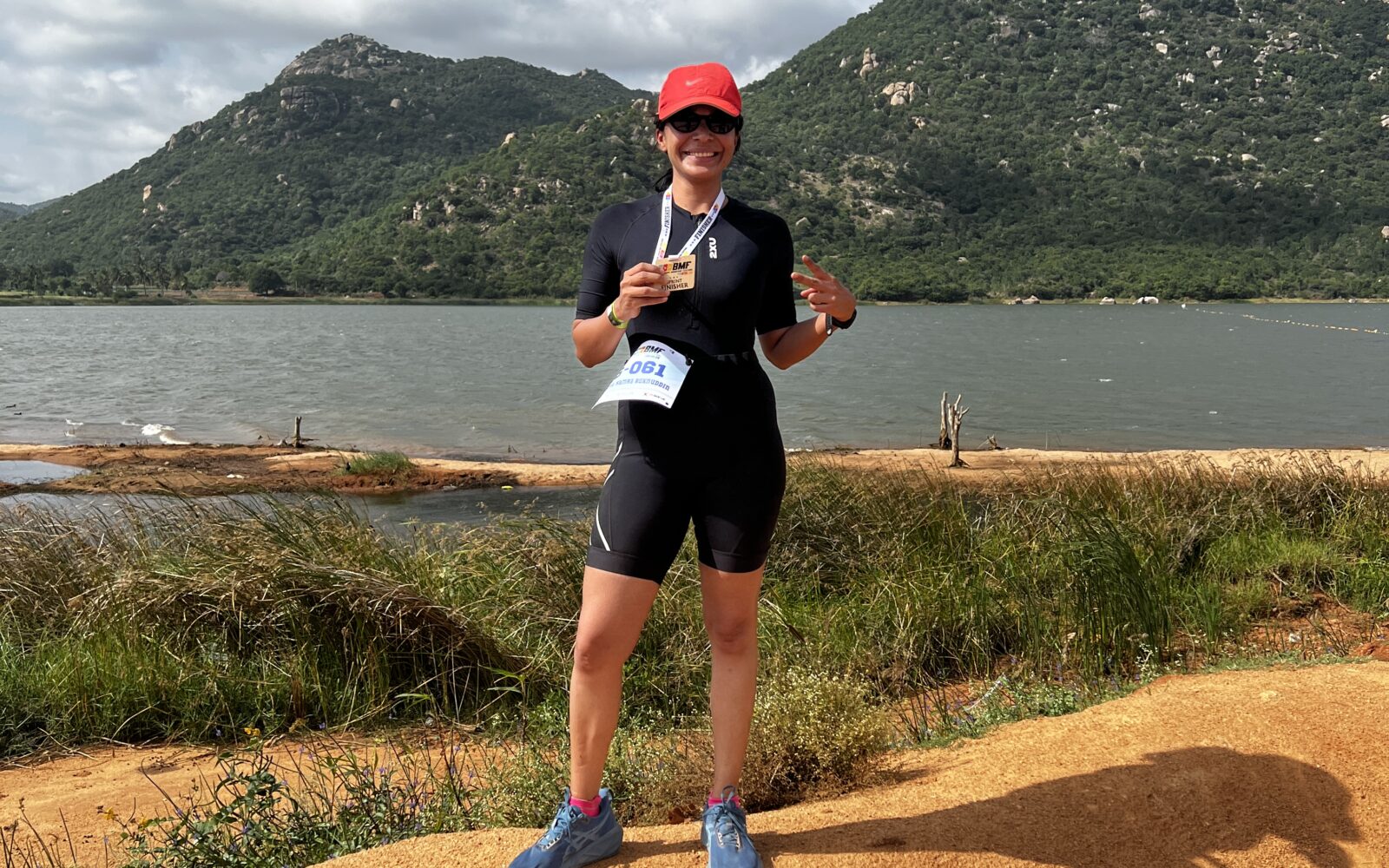
I used to think more about how my body looked. Now I’m much more interested in what it can do.That mindset eventually led me to sign up for my first sprint triathlon: the BMF Triathlon, located just outside Bangalore. Although I’ve always loved the water and swimming, I hadn’t swum regularly for a couple of years and had never trained for a multi-sport event.
During my training, I did my first open-water swim. I was nervous about swimming in a lake, but I got in and came out smiling.A few weeks later, I completed the triathlon.
For me, it was less about the event itself and more about what it represented. I had built a body that could do something I once wasn’t sure I could.
Balance Is Something I Had to Learn
A few years into this journey, I definitely don’t have everything figured out. And I don’t think I ever will.My diet has changed. My training has changed. The way I think about my body has changed. I’m sure it will keep evolving.
I’ve finally stopped searching for the one perfect diet, workout, or routine. Everyone’s body is different. We grow up eating different foods, leading different lifestyles, and working toward different goals with varying activity levels. What makes one person feel fantastic may not work for someone else.
So, if there’s one thing I’d want someone to take from my story, it isn’t what I eat. It’s this:Pay attention to yourself.I’ve learned far more by observing how I feel after eating certain foods, sleeping poorly, training hard, or taking a rest day than I ever did by blindly following rigid rules.
For someone like me, who used to be very extreme, balance has meant learning that I don’t have to be perfect to take care of myself.
I can eat well and still support Fitness without being restrictive.
I can train hard without punishing myself.
I can enjoy food and still prioritise my health.
I can challenge my body while also listening to it.
And somewhere along the way, something changed.
I started this journey wanting to change my body.
Instead, I changed my relationship with it.
Today, I’m much less interested in asking, “How can I make my body smaller?”
I’m more interested in asking:
“What else can I make it capable of?”
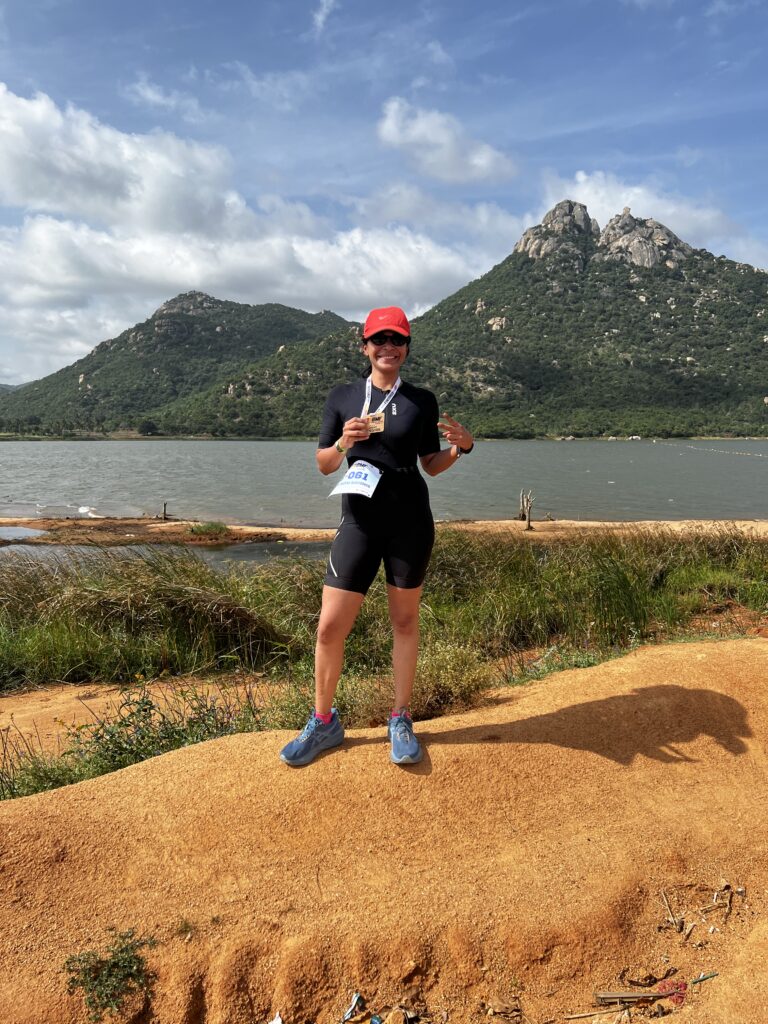
Namra Ruknuddin is an independent consultant based in Bengaluru, with more than a decade of experience in finance. A lifelong sportsperson and keen traveller, she is also curious about health, fitness, and nutrition.
#Balance#Daily Habits#Exercise#Fitness#Fitness Enthusiast#Health#Self Awareness